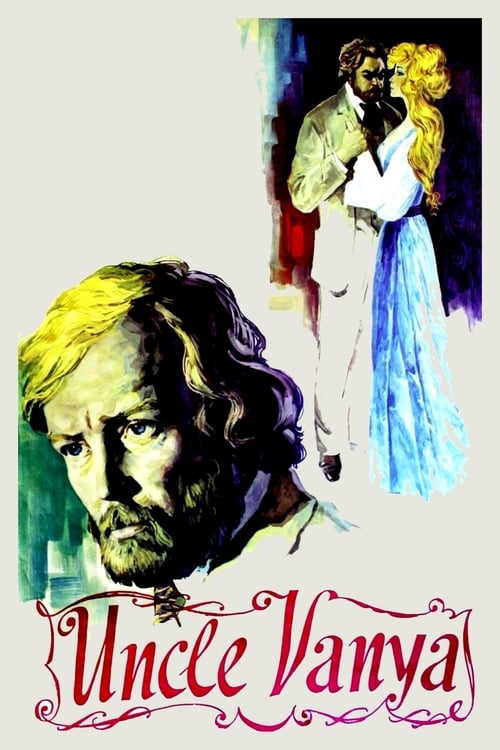
Uncle Vanya
1970
No user ratings available yet
Diversity score: 4.3 out of 10
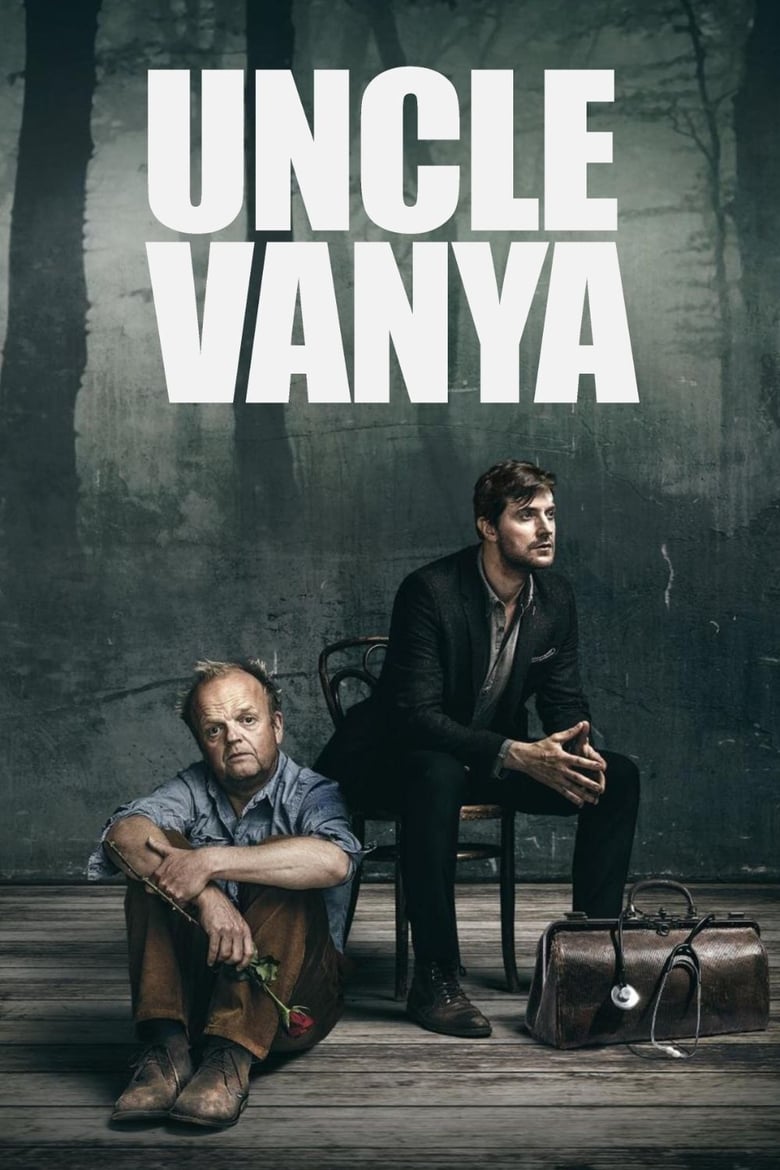
2020
Director
Ian Rickson
Runtime
149 minutes
Average Rating
No ratings yetSynopsis
During a hot summer, Sonya and her uncle Vanya spend their days idle in a dilapidated farmhouse deep in the countryside. Alone and isolated, they only receive occasional visits from Astrov, the local doctor.
Overall Score
Limited
Category Breakdown
LGBTQ+ Representation
The film lacks LGBTQ+ characters or non-heteronormative identities. Interpersonal dynamics focus on traditional romantic entanglements and unrequited heterosexual desires.
Gender Representation
The production explores female interiority through Sonya’s character arc. It subverts traditional gender roles by portraying domestic life as a source of frustration rather than stability.
Racial & Ethnic Diversity
The cast is ethnically homogeneous to maintain historical accuracy. The production prioritizes period authenticity over contemporary casting trends within the rural Russian setting.
Religious & Cultural Diversity
The narrative depicts the decline of the landed gentry and the emptiness of intellectual pursuits. It explores social decay through the lens of classical literary traditions.
Disability Representation
There is no significant focus on physical or neurodivergent disabilities. Psychological distress is framed as a universal existential condition rather than a specific depiction of disability.
Strengths
Areas for Improvement
AI Analysis
Ian Rickson’s adaptation of *Uncle Vanya* is a traditionalist period piece that prioritizes historical fidelity to Chekhov’s original text. The film functions as a character study of the landed intelligentsia, adhering strictly to the social constraints of late 19th-century Russia. While the film offers nuanced psychological depth regarding gendered frustration, it lacks the demographic breadth found in contemporary narratives. The ensemble is ethnically homogeneous, reflecting the specific historical context of the rural estate. Ultimately, the production focuses on existential malaise and social decay. It maintains the social mores of the source material, resulting in a lack of intersectional complexity or diverse identity-driven narratives.
1970
2015
2011
1970
2019
1969
2017

2010
1951
1953

1999
1983
No reviews yet. Be the first to share your thoughts on this movie!
Use the rating form above to leave a star rating and optional review.