
These Thousand Hills
1959
No user ratings available yet
Diversity score: 2.3 out of 10
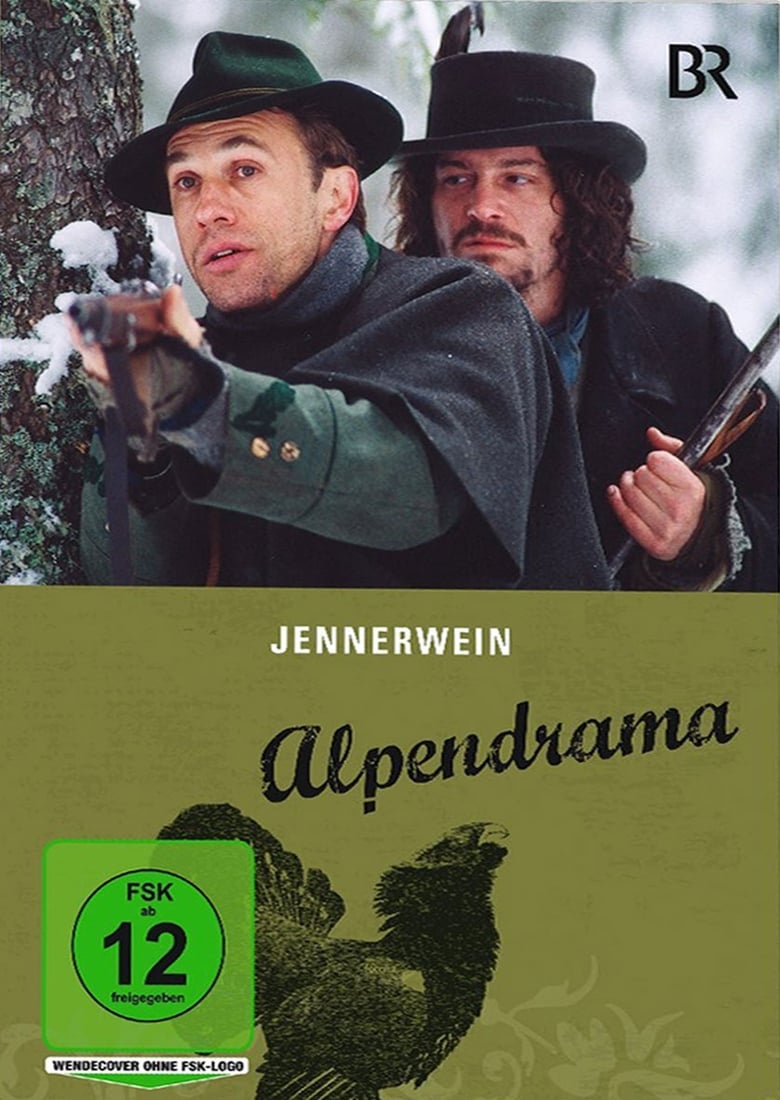
2003
Director
Hans-Günther Bücking
Runtime
87 minutes
Average Rating
No ratings yetOverall Score
Limited
Category Breakdown
LGBTQ+ Representation
The film lacks any representation of non-cisnormative identities. The plot centers on a traditional romantic rivalry between two men for a single female character.
Gender Representation
Gender roles follow standard Western genre archetypes. While Agerl is a central figure, her role is primarily that of a romantic catalyst rather than an independent agent of change.
Racial & Ethnic Diversity
The setting depicts a relatively homogeneous demographic consistent with the historical Tyrol and Bavaria regions. There is no evidence of diverse racial or ethnic perspectives.
Religious & Cultural Diversity
The narrative offers a critique of socioeconomic structures by framing poachers as folk heroes. It challenges state authority by prioritizing survival and situational ethics over rigid legalism.
Disability Representation
There is no mention of characters navigating physical, sensory, or neurodivergent experiences within the narrative.
Strengths
Areas for Improvement
AI Analysis
Jennerwein is a regional period drama that prioritizes class struggle over demographic breadth. It functions as a 'class-vs-state' narrative, using the tension between poachers and royal authorities to critique oppressive institutions during times of poverty. While the film offers thematic depth regarding social hierarchy and survival, it remains tethered to conventional tropes. The reliance on traditional masculine archetypes and a singular romantic pursuit limits its progressive impact. Ultimately, the film's value lies in its subversion of institutional morality rather than its intersectional representation or casting diversity.
1959
1968

2011

2000

1936

2021
2017

2005
1929

1967
1927
1965
No reviews yet. Be the first to share your thoughts on this movie!
Use the rating form above to leave a star rating and optional review.