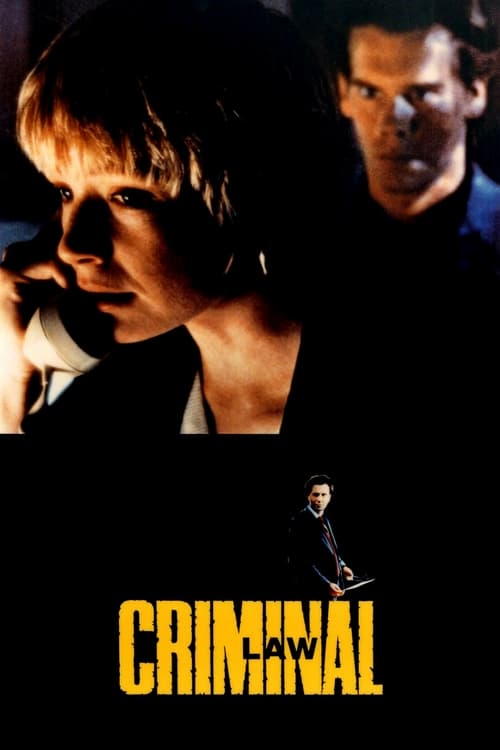
Criminal Law
1989
No user ratings available yet
Representation score: 1.1 out of 10
Representation Score
Limited
1999
RDirector
David Hugh Jones
Runtime
114 minutes
Average Rating
No ratings yetNew Showbiz Analysis
The film functions as a traditional psychological thriller that emphasizes moral ambiguity over broad demographic representation. It delves into the tension between legalism and personal justice through the lens of individual guilt. Despite challenging the perceived infallibility of medical institutions, the narrative adheres to a classic dramatic structure. The story lacks the complexity needed to address broader identity-based hierarchies. Overall, the production follows a standard Western dramatic framework, focusing on a homogeneous cast and a male-centric moral dilemma.
Category Breakdown
The film does not include any visible LGBTQ+ characters or stories that explore non-straight identities. The focus is on traditional family tragedies and legal morality.
The story centers around male characters such as Harry Fertig and Roy Bleakie. Female characters seem to play supporting roles rather than having their own independent ability to act.
The setting and character names suggest a typical Western context. There is no indication of a diverse cast or characters reflecting multiple aspects of diversity.
The film criticizes institutional failures by showing violence as a reaction to systemic medical mistakes. It focuses on individual ethics rather than broader cultural issues.
While medical negligence drives the plot, there is no portrayal of characters with disabilities as central figures or subjects of representation.
Present on Screen
Limited or Absent
Official Synopsis
After his young son dies from the negligence at a hospital, Harry Fertig takes matters into his own hands and kills the doctor, nurse and clerk responsible. Slick lawyer Roy Bleakie, looking only to win a case and not caring of the matters involved, is asked by Fertig's boss to defend him. Shocked to hear that his client wants to plead guilty, the case causes Bleakie to question his own morals by defending an honorable man.
1989
1989
2000
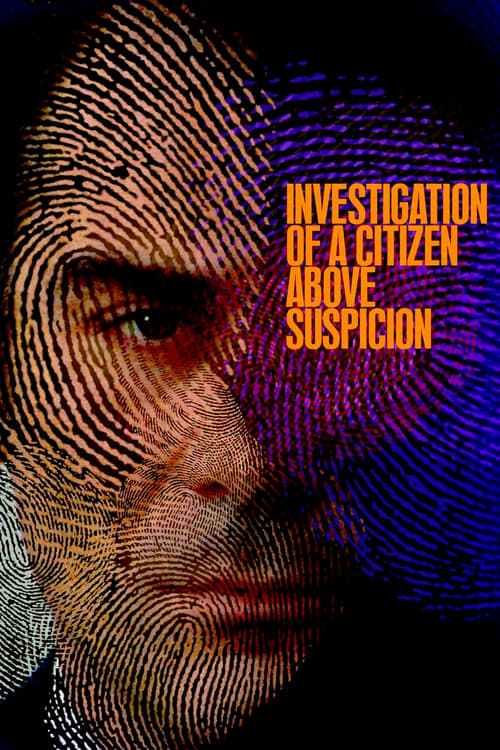
1970
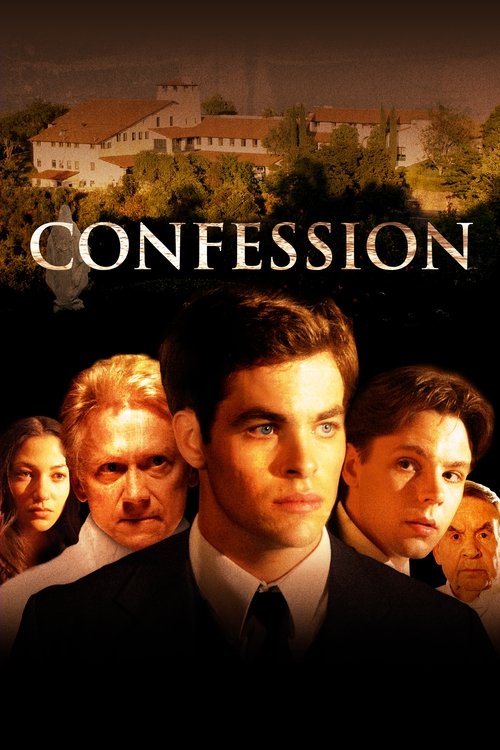
2005
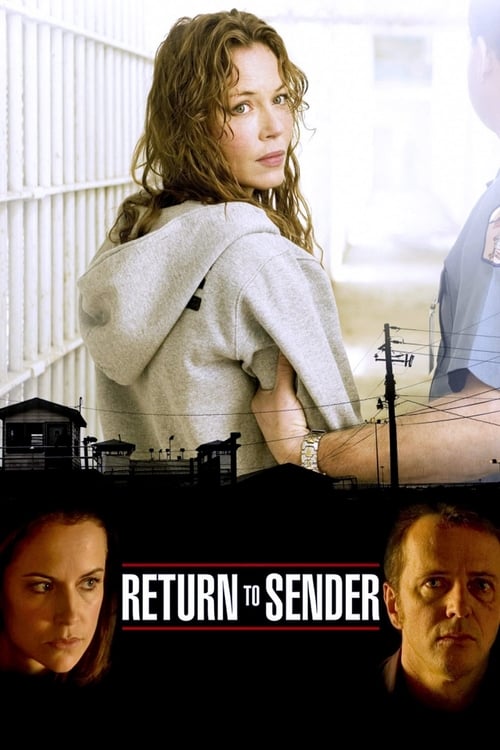
2004
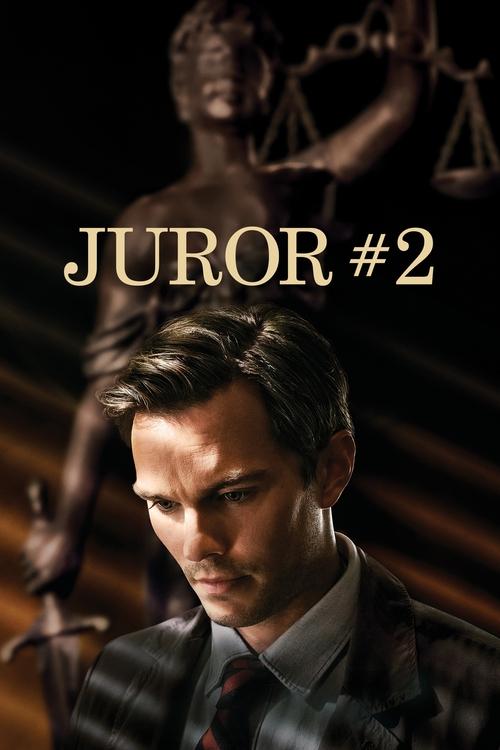
2024
1989
No reviews yet. Be the first to share your thoughts on this movie!
Use the rating form above to leave a star rating and optional review.