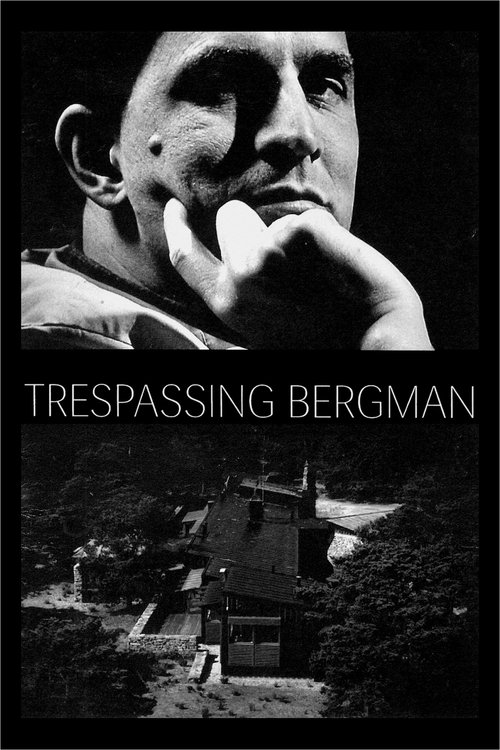
Trespassing Bergman
2013
No user ratings available yet
Representation score: 5.8 out of 10

Representation Score
Good
2018
Director
Jane Magnusson
Runtime
118 minutes
Average Rating
No ratings yetNew Showbiz Analysis
Jane Magnusson’s documentary succeeds by dismantling the 'great man' myth, offering a nuanced look at the interpersonal dynamics that fueled Ingmar Bergman's prolific 1957. By highlighting the significant roles of the women in his orbit, the film avoids a purely patriarchal perspective. However, the film is limited by its historical setting. The depiction of mid-century Sweden results in a lack of racial and ethnic diversity, and LGBTQ+ narratives remain secondary to the biographical focus on Bergman's immediate professional circle. Ultimately, the work is a sophisticated psychological study. It replaces traditional hagiography with a complex examination of the friction between an artist's public success and his private, often volatile, internal life.
Category Breakdown
The documentary focuses on Bergman's personal and professional circles during 1957. While it touches on unconventional relationships, it does not center on specific LGBTQ+ identities as a primary structural element.
The film challenges the 'lone genius' cliché by emphasizing the crucial roles of women in Bergman's life. It highlights the intellectual and emotional labor of his wives and collaborators.
Reflecting the historical context of 1950s Sweden, the film depicts a largely homogeneous social environment. There is a lack of racial or ethnic diversity within the depicted social circles.
The film presents a fragmented, psychological portrait rather than a celebratory biography. It explores the tension between public achievement and private dysfunction through a subjective lens.
The film offers a deep look at mental health through Bergman's psychological volatility. It treats his internal anxieties as complex facets of his humanity rather than clichés.
Present on Screen
Limited or Absent
Official Synopsis
The year 1957 was one of the most prolific for the Swedish filmmaker Ingmar Bergman: he shot two films, released two of his most celebrated films and produced four plays and a TV movie while juggling with a complicated private life.
2013
2015
1998

2006
2019
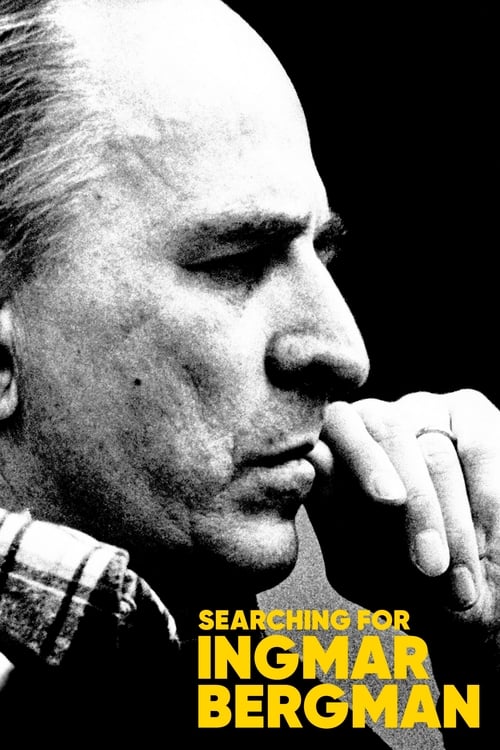
2018
2017
2016
No reviews yet. Be the first to share your thoughts on this movie!
Use the rating form above to leave a star rating and optional review.