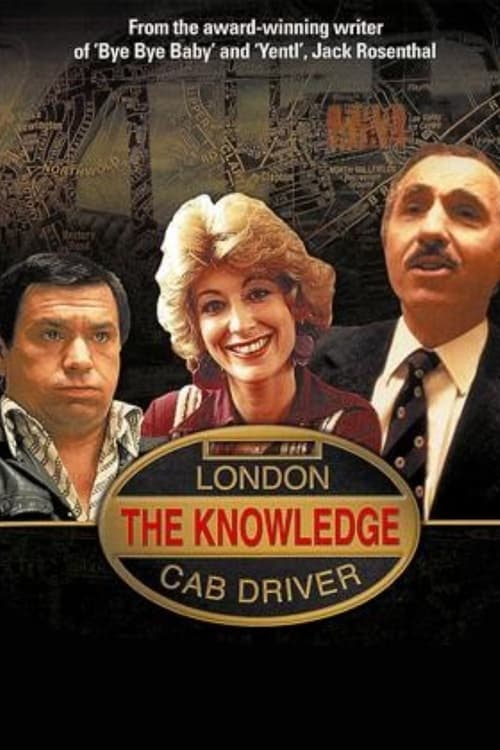
The Knowledge
1979
No user ratings available yet
Diversity score: 2.3 out of 10
1996
RDirector
Betty Thomas
Runtime
95 minutes
Average Rating
No ratings yetSynopsis
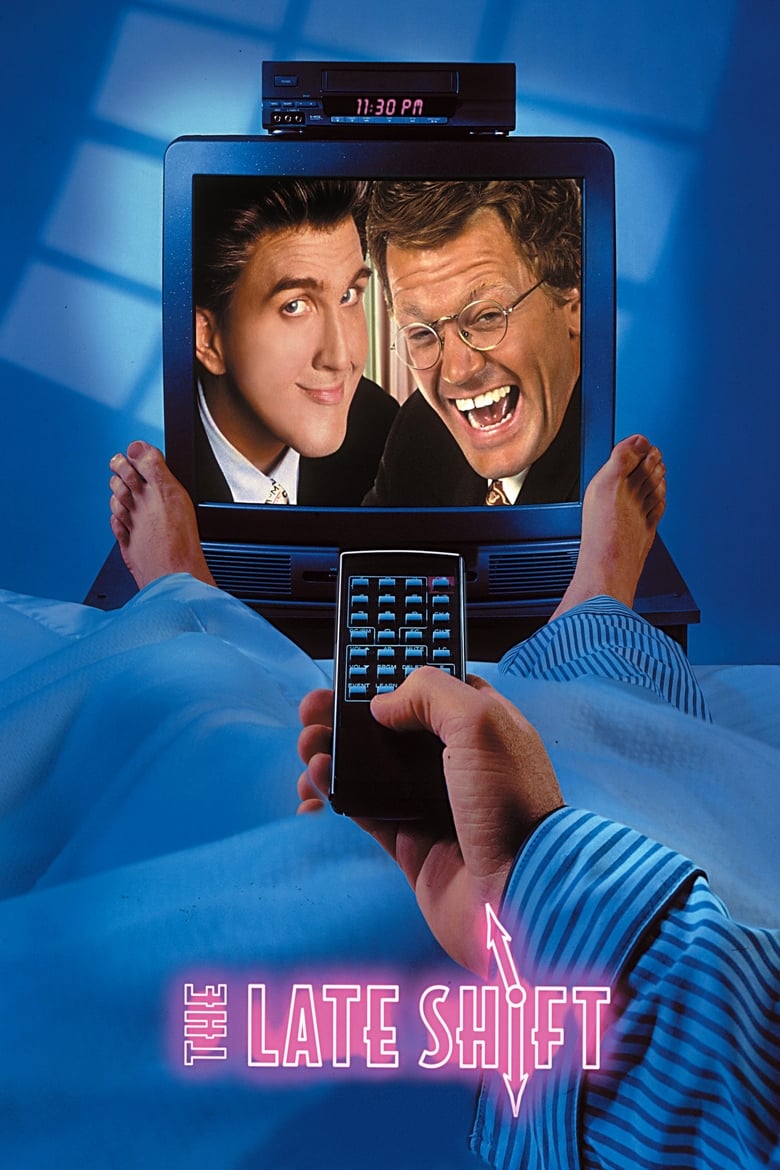
David Letterman vies with Jay Leno and his manager to succeed Johnny Carson, retiring from "The Tonight Show."
Overall Score
Limited
Category Breakdown
LGBTQ+ Representation
The film focuses almost exclusively on professional rivalry and interpersonal dynamics. There is a notable absence of LGBTQ+ characters or non-cisnormative identities throughout the narrative.
Gender Representation
The story centers on a male-dominated hierarchy and professional competition. While women exist within the industry, they largely occupy roles that reinforce traditional hierarchies rather than subverting them.
Racial & Ethnic Diversity
The cast is predominantly white and Anglo-Saxon, reflecting the demographic realities of mid-1990s network television. The central power structures lack significant racial blending or color-blind casting.
Religious & Cultural Diversity
The film provides a nuanced look at the shift toward infotainment and the erosion of professional integrity. It depicts corporate maneuvering within a capitalist media framework.
Disability Representation
There is no significant depiction of visible or invisible disabilities. The plot focuses on psychological and professional pressures rather than neurodivergence or physical disability.
Strengths
Areas for Improvement
AI Analysis
The Late Shift functions as a period piece capturing the media homogeneity of the mid-1990s. The narrative architecture is built around the succession of Johnny Carson, a conflict framed through male professional competition and high-stakes maneuvering. Because the film mirrors the traditional hierarchies of its era, it lacks intentional intersectional representation. The focus remains on a homogeneous group of high-status individuals navigating corporate power and the pursuit of ratings. Ultimately, the film serves as a historical document of a specific broadcasting era, prioritizing the mechanics of industry transition over diverse character perspectives.
No reviews yet. Be the first to share your thoughts on this movie!
Use the rating form above to leave a star rating and optional review.