The Horror
2017
No user ratings available yet
Representation score: 1.6 out of 10

Representation Score
Minimal
2011
Director
Edo Tagliavini
Runtime
92 minutes
Average Rating
No ratings yetNew Showbiz Analysis
Bloodline operates within the conventional boundaries of the horror and thriller genres. It prioritizes individualistic character arcs and suspense over the exploration of diverse identities or systemic critiques. The narrative relies heavily on established genre clichés, such as the 'final girl' archetype and moral absolutism. This focus keeps the story centered on personal trauma rather than social subversion. Ultimately, the film lacks intentional efforts to disrupt traditional power dynamics or represent diverse social groups, resulting in a narrow, traditional cinematic experience.
Category Breakdown
The film does not include any explicit LGBTQ+ characters or stories. The plot revolves around the protagonist's personal history and professional struggles without addressing non-cisgender identities.
Sandra is portrayed as a professional woman with ability to act as a journalist. However, the story relies on traditional horror clichés and may reinforce gender dynamics through the use of adult film settings.
The cast is not diverse, focusing on a single protagonist and a local mystery without showing racial blending.
The film follows traditional Western storytelling focused on individual justice and personal trauma. It lacks exploration of systemic issues or moral relativism.
No characters are shown dealing with physical or neurodivergent disabilities. Psychological trauma is treated as a standard thriller cliché rather than a nuanced exploration of mental health.
Present on Screen
Limited or Absent
Official Synopsis
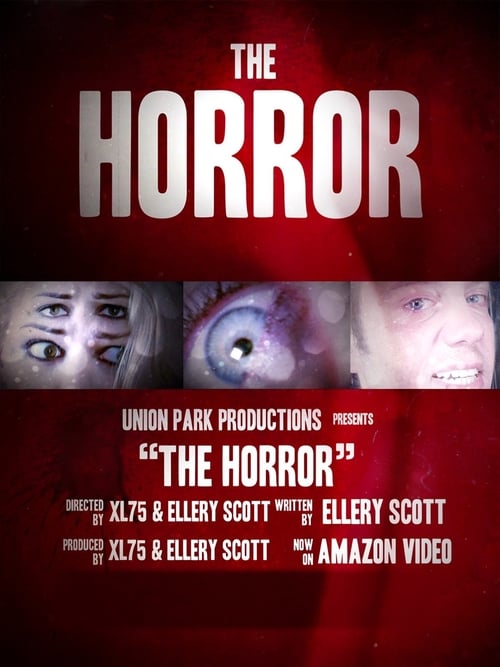
Sandra's twin sister was brutally murdered by a serial killer when they were children. Fifteen years later Sandra is now a professional journalist whose career is on the fritz. Sandra is given one last shot - an assignment which will prove the toughest of her life. She is sent back to the location of her sister's murder to shoot a behind-the-scenes expose for a hardcore porn flick. There she will be forced to confront the ghosts of her past as a new copycat killer has his sights set on Sandra.
2017

2010
2012
1994
2024
2015
2007
2024
No reviews yet. Be the first to share your thoughts on this movie!
Use the rating form above to leave a star rating and optional review.