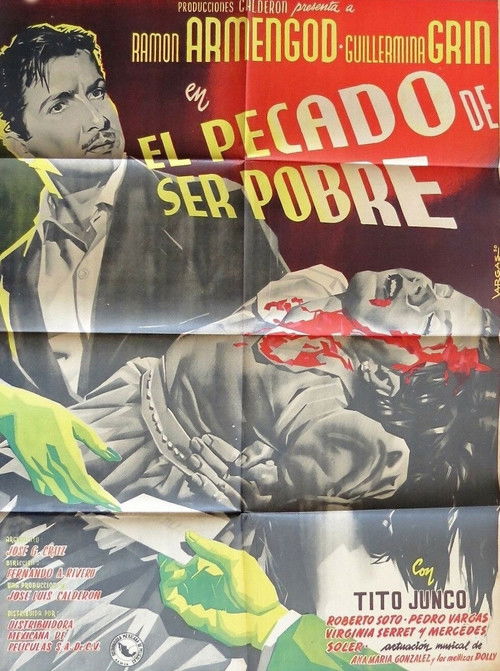
El pecado de ser pobre
1950
No user ratings available yet
Representation score: 1.7 out of 10
Representation Score
Minimal
1950
ApprovedDirector
Harry Keller
Runtime
60 minutes
Average Rating
No ratings yetNew Showbiz Analysis
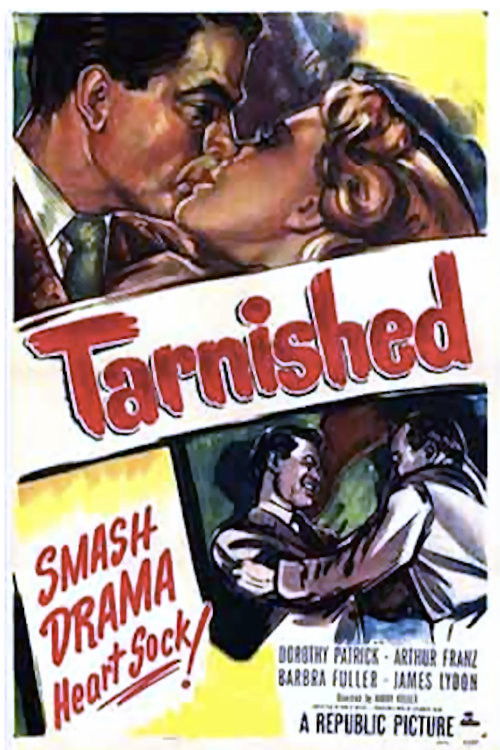
Tarnished is a conventional mid-century crime drama that follows established studio-era formulas. The narrative focuses heavily on a masculine redemption arc, centering on Bud Dolliver's struggle to overcome his reputation as a former hero and ex-convict. The film lacks intentionality in disrupting social norms. It operates within a traditional framework that prioritizes social order and homogeneous, small-town settings, offering little in the way of diverse perspectives. Ultimately, the film serves as a standard genre piece of its time, reflecting the era's social hierarchies without attempting to challenge or expand them.
Category Breakdown
The film does not depict any non-binary gender identities or same-sex relationships. It adheres to the assumption that everyone is straight or cisgender, typical of 1950s crime dramas.
The story centers around a male protagonist's journey towards redemption. While Lou Jellison offers support, the narrative lacks meaningful roles for women and does not challenge traditional gender hierarchies.
The setting appears homogeneous, focusing on a localized small-town story. There is no indication of a multi-ethnic cast or diverse racial representation.
The film explores social reintegration and community standards. However, it reinforces traditional social orders rather than critiquing existing societal institutions.
There is no evidence that physical disabilities, neurodivergence, or mental health conditions play a role in the character arcs or plot.
Present on Screen
Limited or Absent
Official Synopsis
Bud Dolliver, a former WWII hero, and an ex-convict, returns to his home town in an effort to make a new life for himself but, even with the help of Lou Jellison, a cannery worker, he finds it hard to live down his reputation.
1950

1949
1948
1949
1942
1947
1942
1941
No reviews yet. Be the first to share your thoughts on this movie!
Use the rating form above to leave a star rating and optional review.