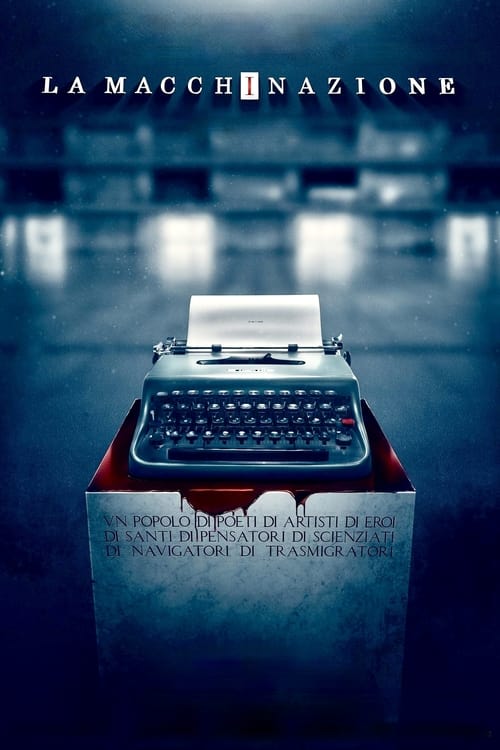
The Ploy
2016
No user ratings available yet
Representation score: 4.2 out of 10
Representation Score
Limited
2016
Director
Renzo Martinelli
Runtime
106 minutes
Average Rating
No ratings yetNew Showbiz Analysis
The film functions as a historical inquiry into a specific 1980 aviation tragedy rather than a vehicle for diverse social identities. Its narrative strength lies in its cultural critique of institutional transparency and the deconstruction of official state records. However, the work lacks meaningful representation across most identity categories. The focus on a localized Mediterranean event and the historical period limits racial and LGBTQ+ diversity. Ultimately, the film's value is found in its interrogation of systemic truth rather than its engagement with diverse social identities.
Category Breakdown
The film does not include any LGBTQ+ characters or narratives. The storyline focuses solely on the technical and political aspects of an aviation disaster.
Set in 1980, the narrative likely follows the social structures of that time. It lacks specific character arcs that showcase nuanced female roles.
The setting is centered around an Italian aviation incident. The context indicates a predominantly Mediterranean and European population reflecting historical accuracy.
The film challenges institutional authority by breaking down official state narratives. It emphasizes investigative truth over established political stories and systemic transparency.
There are no details about the portrayal of physical or neurodivergent identities within the verified context of the film.
Present on Screen
Limited or Absent
Official Synopsis
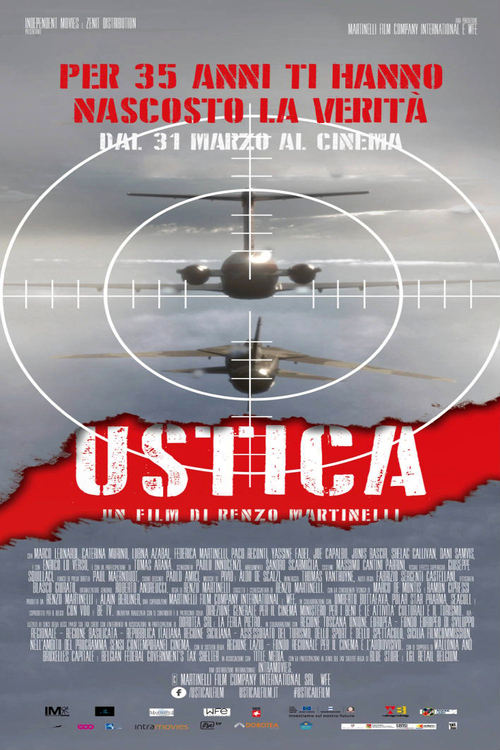
On the evening of June 27, 1980, a DC9 of the private airline Itavia disappeared from radar screens without sending any emergency signal. The aircraft, stabilized in cruise at 7.600 meters above sea level, sank into the Tyrrhenian Trench, between Ponza and Ustica. 81 people lost their lives, including 14 children. There are three hypotheses about the disaster, but none has ever been proven, until the analysis of the findings and documentary material reveals a fourth, chilling possible cause of the disaster.
2016

2021

2024
2018
2015
2013
1998

2022
No reviews yet. Be the first to share your thoughts on this movie!
Use the rating form above to leave a star rating and optional review.