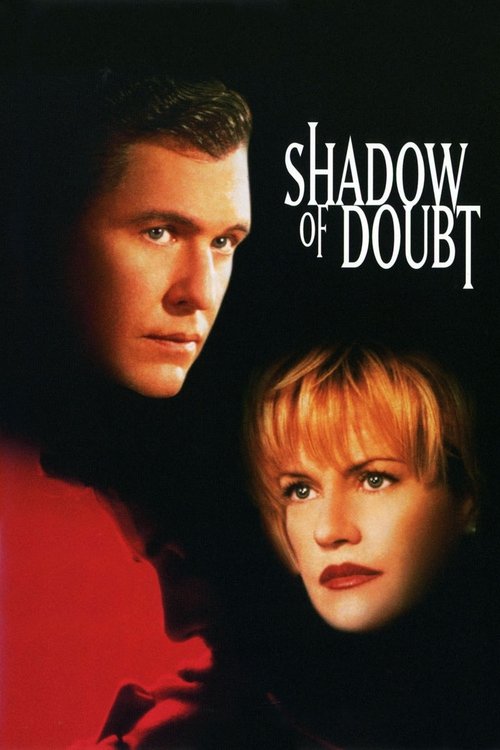
Shadow of Doubt
1998
No user ratings available yet
Representation score: 3.3 out of 10
Representation Score
Fair
1990
RDirector
James Foley
Runtime
114 minutes
Average Rating
No ratings yetNew Showbiz Analysis
This film is a traditional crime thriller that emphasizes crime thriller mechanics over progressive narrative disruption. It relies heavily on established noir clichés, reinforcing traditional gender and racial hierarchies. While the film explores the moral complexities of its characters, it lacks intentional characters who reflect more than one aspect of diversity and subversion of systemic social norms. The narrative structure is rooted in the social constraints of its 1940s setting. Ultimately, the film serves as a character study of desperation rather than a tool for challenging systemic social norms or exploring diverse identities.
Category Breakdown
The film follows traditional neo-noir structures, emphasizing heterosexual relationships. It does not include significant representations of LGBTQ+ identities or critiques of heterosexuality.
Male characters dominate the story, while females mostly serve as catalysts for male actions rather than independent actors.
The cast mirrors the demographics of 1940s Los Angeles, but the film does not feature diverse characters driving the plot.
The story focuses on moral ambiguity and systemic issues without critiquing institutions. It is a character-driven crime drama.
The film does not prominently depict physical, cognitive, or mental health disabilities. Characters are defined by their criminal intentions and social standing.
Present on Screen
Limited or Absent
Official Synopsis
Three desperados try to kidnap a wealthy child in hope of turning their lives around.
1998

1989
1998
1980
2000

1982
1984
2000
No reviews yet. Be the first to share your thoughts on this movie!
Use the rating form above to leave a star rating and optional review.