Frost
2012
No user ratings available yet
Representation score: 3.2 out of 10
Representation Score
Limited
2017
Director
Péter Lichter
Runtime
72 minutes
Average Rating
No ratings yetNew Showbiz Analysis
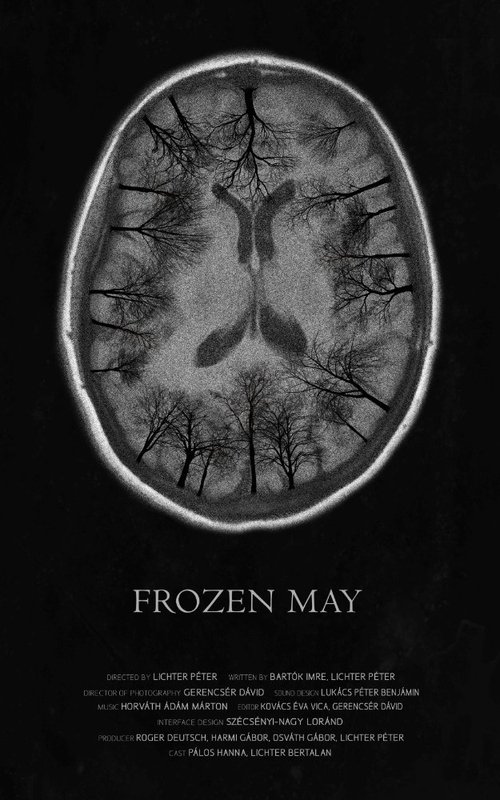
Frozen May is a localized genre piece that prioritizes atmospheric tension and individual survival over social deconstruction. The narrative structure relies heavily on traditional clichés, specifically centering on a lone male protagonist navigating a post-transition Hungarian landscape. While the setting offers a window into a specific geopolitical era, the film lacks the structural complexity needed to address the way different parts of someone's identity overlap. The focus remains on the isolation of the individual rather than the exploration of diverse social groups. Ultimately, the film functions as a niche independent thriller. It does not appear to intentionally disrupt conventional social hierarchies or provide meaningful representation for underrepresented communities.
Category Breakdown
The film focuses on a solitary male protagonist in a survivalist setting. There are no LGBTQ+ characters or critiques of the assumption that everyone is straight or cisgender.
The story centers on a male struggle for survival, using traditional masculine clichés of isolation. The mysterious child provides a secondary character but does not challenge gender hierarchies.
Set in 1990 post-transition Hungary, the film suggests a localized, potentially homogeneous cast. There is no documented evidence of diverse racial casting or ethnic metaphors.
The narrative explores survival following the fall of the Eastern Bloc. It leans toward individualist survivalism rather than an explicit systemic critique.
The film provides no information regarding characters with visible or invisible disabilities.
Present on Screen
Limited or Absent
Official Synopsis
1990, after the fall. A man struggles to survive in the forest, living alone in a small cabin. One day he spots a mysterious child in an abandoned summer camp.
2012
2015
2010
2015
2022
2006
2006
2021
No reviews yet. Be the first to share your thoughts on this movie!
Use the rating form above to leave a star rating and optional review.