
Ring of Fire III: Lion Strike
1995
No user ratings available yet
Representation score: 3.3 out of 10
Representation Score
Limited
1998
RDirector
Phillip Rhee
Runtime
90 minutes
Average Rating
No ratings yetNew Showbiz Analysis
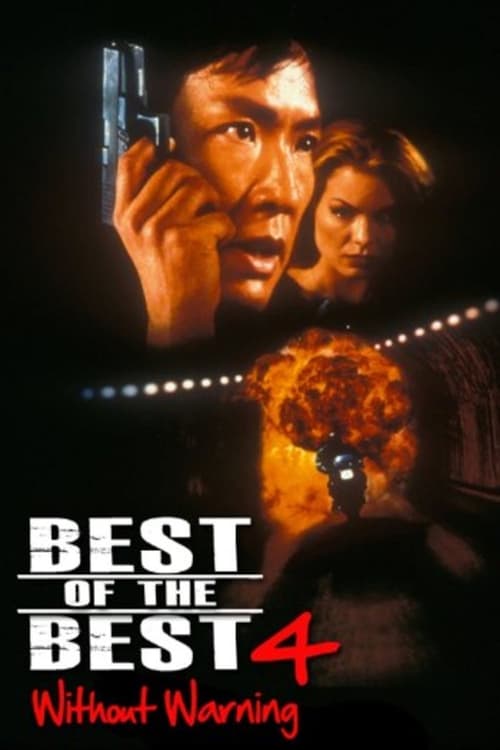
Best of the Best 4: Without Warning is a genre-driven action film that prioritizes physical choreography over social complexity. It relies heavily on established cinematic clichés from the late 1990s, reinforcing traditional hierarchies rather than challenging them. The film’s representation is limited by its adherence to conventional archetypes, offering some ethnic diversity but lacking nuanced exploration of multi-layered issues. Ultimately, the movie functions as a straightforward thriller, focusing on paternal instincts and individual justice, leaving little room for progressive themes or diverse social perspectives.
Category Breakdown
The film follows a traditional structure centered on a father-daughter relationship and does not include any queer narratives or non-cisgender identities.
The plot centers on a male protagonist who drives the story physically. A female character initiates the plot but serves mainly as a catalyst for the male lead, sacrificing her role.
The story features an Asian-American protagonist facing a Russian criminal syndicate, providing ethnic diversity but relying on standard hero versus foreign antagonist clichés.
The narrative operates within a conventional Western framework emphasizing law and order, reinforcing traditional family structures.
There are no visible or invisible disabilities portrayed. Characters are defined primarily by their physical abilities and martial arts skills.
Present on Screen
Limited or Absent
Official Synopsis
A group of Russian mobsters have stolen a huge supply of paper for printing U.S. currency, and are now flooding the market with conterfeit bills. When one of the mobsters decides to give herself in and hand over a data CD to the DA, she is shot and killed, but not before handing the disc to an unsuspecting Tommy Lee. Despite working with the police as a martial arts instructor, Lee doesn't go to the cops with the disc, but instead goes on the run, giving the mafia time to kidnap his daughter and hold as a hostage in exchange for return of the disc. Will Tommy ever see his daughter again?
1995

1974

2009

1974

2001

2002

1989

1995
No reviews yet. Be the first to share your thoughts on this movie!
Use the rating form above to leave a star rating and optional review.