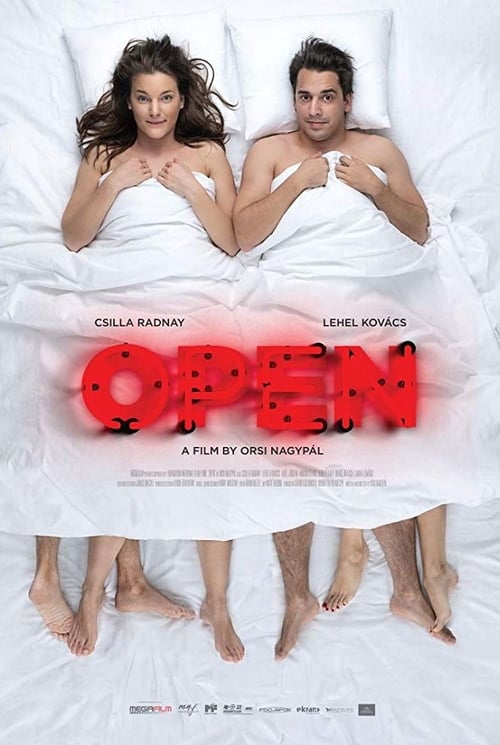
Open
2018
No user ratings available yet
Representation score: 5.3 out of 10

Representation Score
Fair
2018
Director
Ned Ehrbar
Runtime
84 minutes
Average Rating
No ratings yetNew Showbiz Analysis
California No functions as a study of interpersonal instability and the breakdown of conventional social contracts. It departs from the traditional family archetype to explore moral relativism and the fluidity of modern identity. The film effectively disrupts romantic comedy expectations by focusing on systemic shifts within the domestic sphere. It uses the framework of an open marriage to examine how modern relationships navigate autonomy. While the film avoids the homogeneity of studio-driven formulas, it lacks the deep complexity required for a higher score. It remains a character-driven exploration of unconventional relationship structures.
Category Breakdown
The film explores the disruption of traditional monogamous relationships through an open marriage. While it questions the assumption that everyone is straight or cisgender, there is no clear evidence of queer identities.
The plot challenges traditional patriarchal hierarchies by focusing on a woman's role in redefining the marital contract. This subverts the stable husband archetype and conventional domestic roles.
The ensemble cast includes Tracie Thoms, indicating racial integration. However, the specific distribution of character's ability to drive the story and the way different parts of someone's identity overlap are not clearly defined.
The narrative deconstructs the traditional nuclear family by framing non-monogamy as a central theme. It emphasizes individual autonomy over traditional religious or social norms.
There is no discernible evidence regarding the portrayal of physical or neurodivergent disabilities in the available information.
Present on Screen
Limited or Absent
Official Synopsis
A man finds out he's in an open marriage.
2018
2025

2019

2004

2018
2023

2018

2020
No reviews yet. Be the first to share your thoughts on this movie!
Use the rating form above to leave a star rating and optional review.