I Am Sartana Your Angel of Death
1969
No user ratings available yet
Representation score: 0.8 out of 10
Representation Score
Minimal
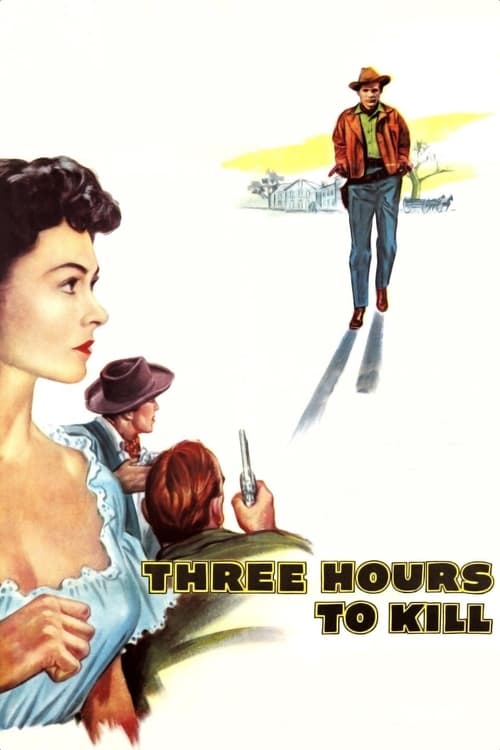
1954
NRDirector
Alfred L. Werker
Runtime
77 minutes
Average Rating
No ratings yetNew Showbiz Analysis
Three Hours to Kill is a conventional mid-century genre piece that adheres to the social and cinematic hierarchies of its era. The film focuses on individual suspense and the restoration of order through legal frameworks, avoiding deconstruction of systemic power dynamics. The narrative lacks complexity in addressing gender, race, and institutional authority, presenting a traditionalist view. It follows a standard Western/Mystery structure where the protagonist's struggle is the primary focus, leaving little room for diverse perspectives.
Category Breakdown
The film does not include any LGBTQ+ characters or non-assuming gender matches what was assigned at birth identities, operating within a strictly heterosexual framework.
Gender roles follow traditional mid-century hierarchies. The male protagonist drives the plot, while female characters have less influence over the story.
The film reflects the homogeneous casting standards of 1954, focusing on a white protagonist's struggle against a lynch mob without exploring broader racial diversity.
The narrative upholds traditional Western institutional values, functioning as a conventional morality play about justice and order restored through established authority.
Characters with visible or invisible disabilities are not portrayed with ability to act. A rope burn scar serves as a plot device without exploring lived disability experiences.
Present on Screen
Limited or Absent
Official Synopsis
After three years on the run, Jim Guthrie returns with the scar of a rope burn on his neck. In a flashback, we learn how he was framed for murder but then escaped from the lynch mob just as he was about to be hung. Tired of running, he has returned to find the real killer and the Sheriff has given him just three hours to do it.
1969
1972
1945
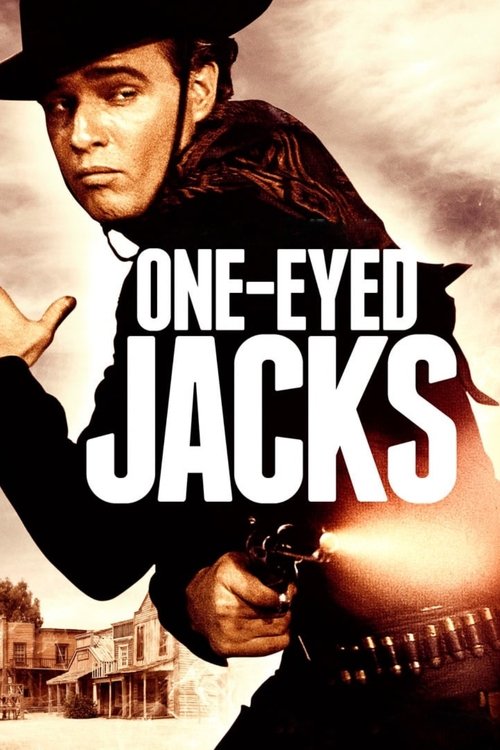
1961
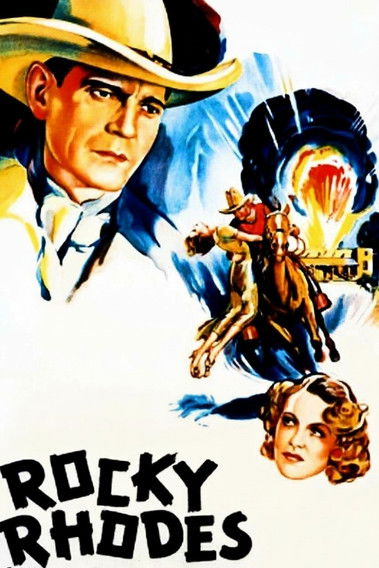
1934
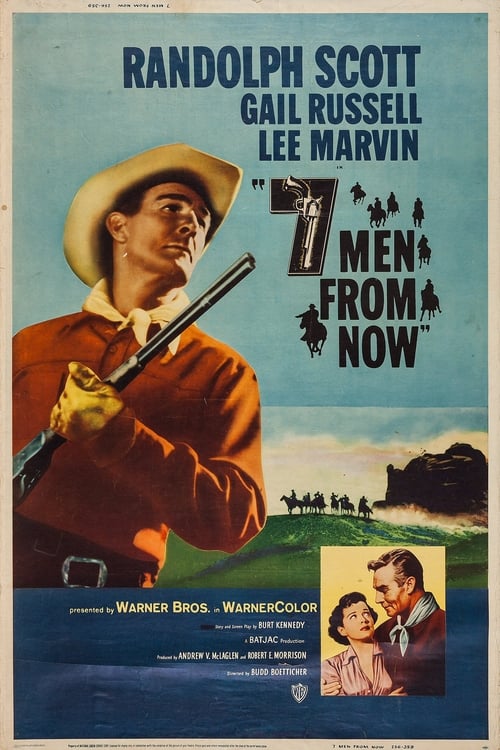
1956

1948
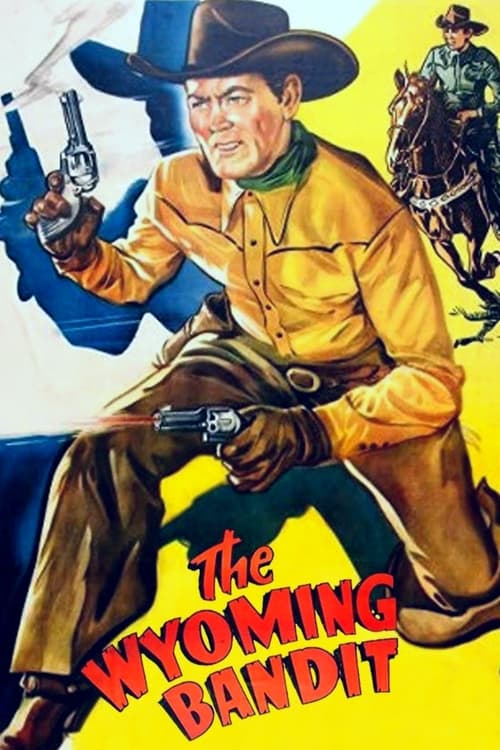
1949
No reviews yet. Be the first to share your thoughts on this movie!
Use the rating form above to leave a star rating and optional review.