Find another title
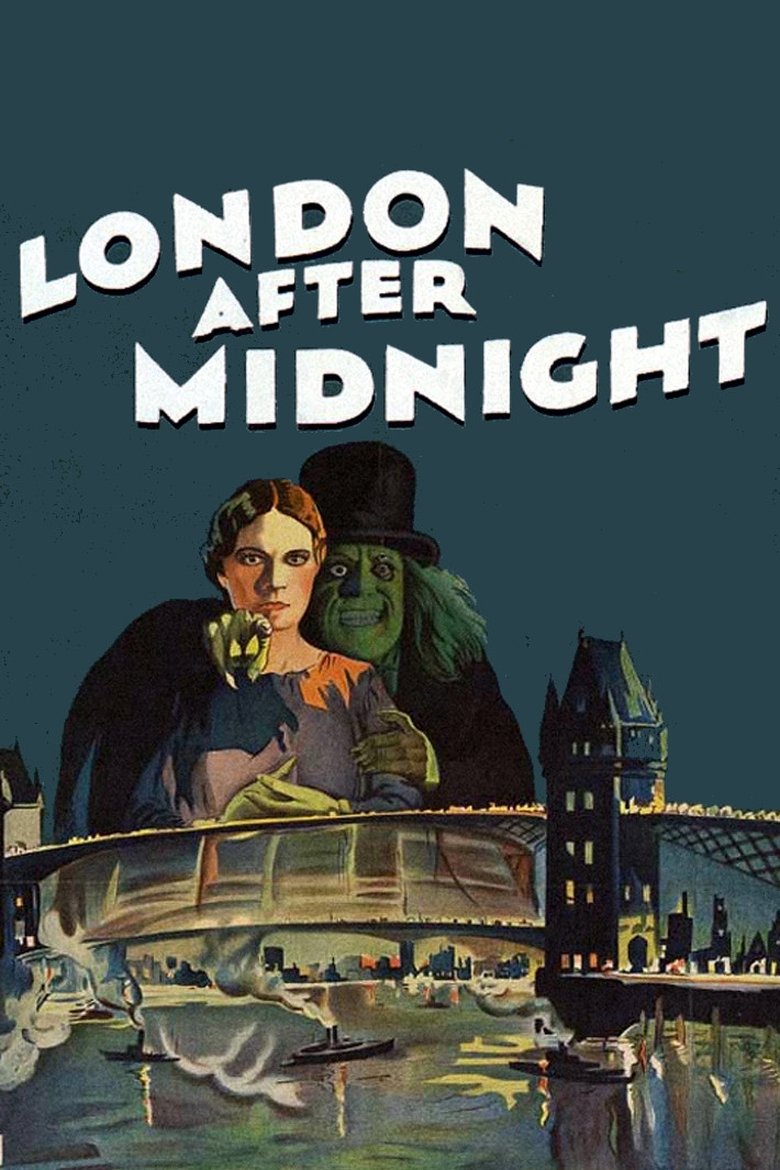
London After Midnight
2002
NRDirector
Rick Schmidlin
Runtime
47 minutes
Average Rating
No ratings yetSynopsis
A reconstruction, made from still photographs, of the lost 1927 Tod Browning film London After Midnight (1927) starring Lon Chaney.
Where to Watch
Diversity & Representation
Overall Score
Minimal
Category Breakdown
LGBTQ+ Representation
The reconstruction offers no evidence of queer narratives or non-cisnormative identities. The photographic format limits the depiction of complex identity-driven arcs.
Gender Representation
The film preserves 1927 performances but lacks the architecture to challenge traditional gender hierarchies. It does not portray masculinity or femininity through a contemporary lens.
Racial & Ethnic Diversity
Visual elements reflect the homogeneous casting standards of early 20th-century cinema. There is no evidence of racial blending or intersectional diversity in this historical reconstruction.
Religious & Cultural Diversity
As a historical artifact, the film preserves a specific era's aesthetic. It does not engage in the deconstruction of traditional institutions or systemic power dynamics.
Disability Representation
There is no verified evidence of neurodivergence or disability being portrayed with modern agency. The work lacks a lens that avoids historical tropes of mockery.
Strengths
- Serves as a unique archival reconstruction of a lost silent film era.
- Preserves the specific aesthetic and cinematic language of 1927.
Areas for Improvement
- Lacks contemporary character agency and modern dialogue.
- Does not engage with modern standards of intersectional representation.
- Reflects the homogeneous casting and social constraints of the early 20th century.
AI Analysis
London After Midnight is a technical reconstruction of a lost 1927 silent film rather than a contemporary creative work. Because it uses still photographs to replicate a specific historical era, it is inherently tethered to the social norms and casting standards of the late 1920s. The project functions as an archival preservation of aesthetic history. Consequently, it lacks the intentionality required to engage with modern intersectional frameworks or subvert traditional social hierarchies. Ultimately, the film's limitations are a byproduct of its purpose. It prioritizes historical accuracy over contemporary social commentary or progressive narrative architecture.
Rate this Movie
Reviews
No reviews yet. Be the first to share your thoughts on this movie!
Use the rating form above to leave a star rating and optional review.