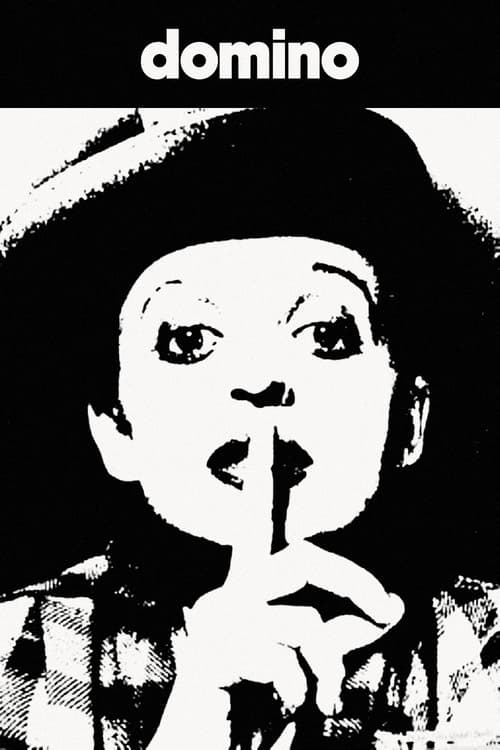
Domino
1982
No user ratings available yet
Representation score: 7.7 out of 10

Representation Score
Good
1981
Director
Thomas Brasch
Runtime
105 minutes
Average Rating
No ratings yetNew Showbiz Analysis
Thomas Brasch’s work serves as a cinematic deconstruction of authority. Instead of relying on overt demographic variety, the film uses a postmodern lens to challenge traditional hierarchies and heroic archetypes. The film's strength lies in its systemic critique and its refusal to offer simple moral answers. It replaces the 'hero' myth with a complex study of how political pressure affects individuals. However, the film remains limited by its historical context and lack of explicit representation. It lacks visible LGBTQ+ ability to act and diverse ethnic ensembles, keeping the overall diversity score moderate.
Category Breakdown
The film focuses on psychological fragmentation during geopolitical conflict. While it doesn't explicitly show LGBTQ+ individuals taking active roles or having non-straight identities, it avoids typical romantic storylines by emphasizing internal struggles.
The narrative breaks down the heroic masculine mythos by highlighting male vulnerability and disintegration. Women are shown as part of the social upheaval, favoring psychological realism over traditional submissive roles.
Set in 1948 Berlin, the film's casting reflects the era's demographics. It avoids racial stereotypes by focusing on class and systemic struggles.
The film offers a sophisticated critique of Western institutions and capitalist structures. It frames conflict through trauma using moral relativism instead of binary morality.
The story explores the psychological impact of war and individual fragmentation. It provides a nuanced look at mental instability and trauma without using disability as a plot device.
Present on Screen
Limited or Absent
Official Synopsis
The subject of this historical drama is a splintering Berlin in the years of 1948 and 1949. Played against the backdrop of social upheaval, the characters in the drama come to epitomize the best and worst of each pole of the political sphere. A 17-year-old hoodlum by the name of Gladow works hand-in-glove with a local white-collar criminal to rob and pillage every day and night, defying capture. While he and his gang of thugs are terrorizing the people of Berlin, the Soviets are trying to make the blockade of their region of control impermeable. The future casts long shadows over the drama, as Berlin's problems take the shape of times to come.
1982
2003
1982
1991
1957
2017

1976

2008
No reviews yet. Be the first to share your thoughts on this movie!
Use the rating form above to leave a star rating and optional review.