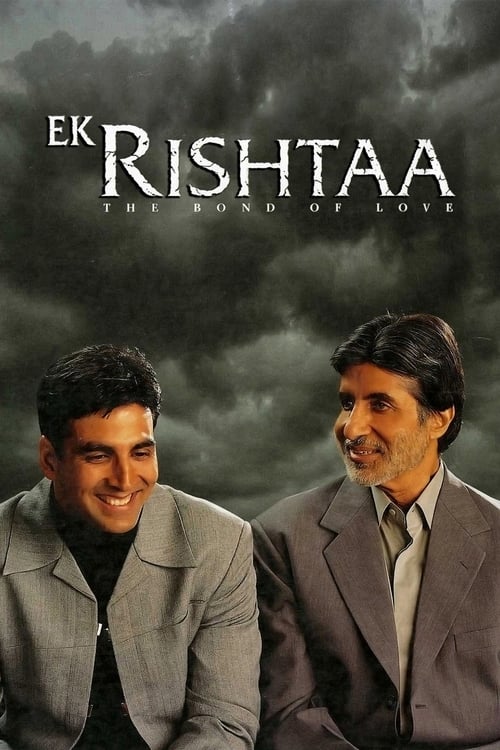
Ek Rishtaa: The Bond of Love
2001
No user ratings available yet
Diversity score: 2.6 out of 10
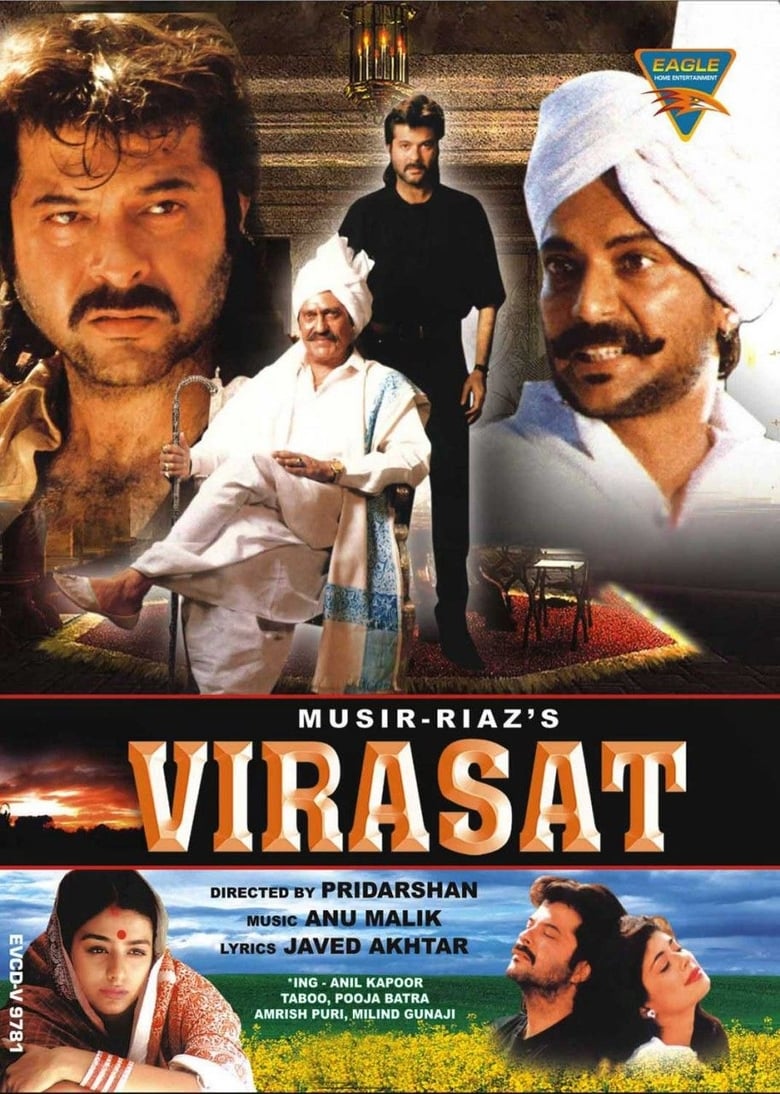
1997
Director
Priyadarshan
Runtime
168 minutes
Average Rating
No ratings yetSynopsis
After completing his studies in London, England, Shakti Thakur returns home to India in a small town where his family resides.
Overall Score
Limited
Category Breakdown
LGBTQ+ Representation
The film lacks LGBTQ+ characters or non-heteronormative identities. The romantic plot is built entirely around a traditional heterosexual pairing.
Gender Representation
The story operates within a patriarchal framework. While the female lead is central, her agency is often tied to emotional resilience and familial sacrifice.
Racial & Ethnic Diversity
The film focuses on internal Indian social hierarchies. It provides depth by using class and caste distinctions as primary drivers of the plot.
Religious & Cultural Diversity
The narrative prioritizes family honor and religious continuity. It emphasizes duty and social cohesion over individual desire or institutional critique.
Disability Representation
There are no prominent depictions of physical or neurodivergent disabilities that serve as central character traits or drive the plot.
Strengths
Areas for Improvement
AI Analysis
Virasat is a traditionalist drama that explores the friction between individual autonomy and communal expectation. It functions as a study of social legacy, reinforcing established hierarchies rather than disrupting them. The film offers a nuanced look at internal social complexities through its focus on class and caste. However, this depth is contained within a framework that validates ancestral legacy and patriarchal stability. Ultimately, the film lacks progressive subversions of gender or identity, opting instead to uphold traditional family structures and cultural continuity.
2001
1992
1992

2008

2016

2014

2017

2005
2011

1983

2011

2016
No reviews yet. Be the first to share your thoughts on this movie!
Use the rating form above to leave a star rating and optional review.