Honey Lemon Soda
2021
No user ratings available yet
Representation score: 3.9 out of 10
Representation Score
Fair
2018
Director
Sho Tsukikawa
Runtime
105 minutes
Average Rating
No ratings yetNew Showbiz Analysis
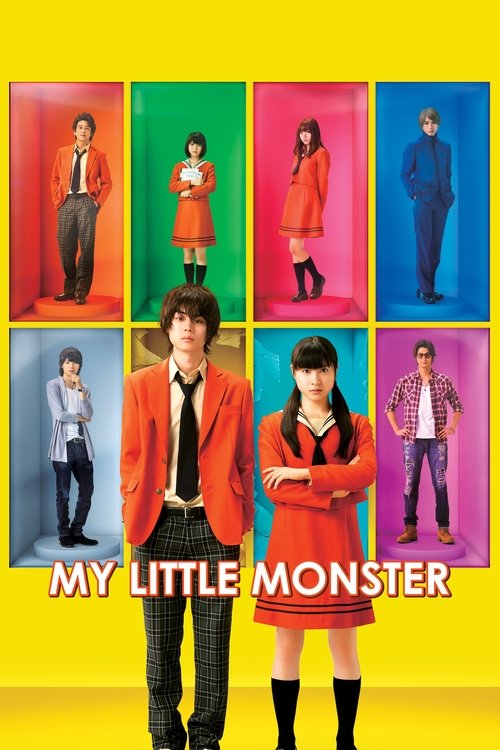
My Little Monster is a character-driven romantic comedy that stands out by challenging traditional gender roles. By featuring a stoic female lead and a socially unstable male lead, the film avoids rigid gender stereotypes. However, the film remains limited in its scope. It operates within a culturally homogeneous context and adheres to traditional romantic structures, lacking broader diversity or multi-layered complexity. Ultimately, while the character dynamics provide some nuance, the film does not delve into systemic social critiques or represent diverse identities beyond its central pairing.
Category Breakdown
The film centers on a heterosexual relationship and does not include any non-straight or non-cisgender identities or same-sex relationships.
Shizuku Mizutani challenges traditional female stereotypes by being pragmatic and intellectually driven. Haru Yoshida subverts the protector archetype by showing emotional vulnerability and social instability.
The cast is predominantly Japanese, reflecting a typical high school setting. The film does not use race-bent casting or color-blind casting to introduce diversity.
The story focuses on personal relationships and individual traits rather than broader social or religious critiques. It portrays character volatility as personal attributes rather than societal influences.
Haru Yoshida exhibits behaviors that suggest neurodivergence, such as social maladjustment and communication issues. However, the film treats these traits as eccentricities rather than a focused disability storyline.
Present on Screen
Limited or Absent
Official Synopsis
Problem student Haru Yoshida sits next to the cold and studious Shizuku Mizutani in class. Without any other friends to turn to, both of them start to get to know each other and grow closer. Haru eventually develop feelings for Shizuku and confesses his feelings to her. Will Haru and Shizuku get their happily ever after?
2021
2010

2020

2014
2018
2020
2018
2024
No reviews yet. Be the first to share your thoughts on this movie!
Use the rating form above to leave a star rating and optional review.