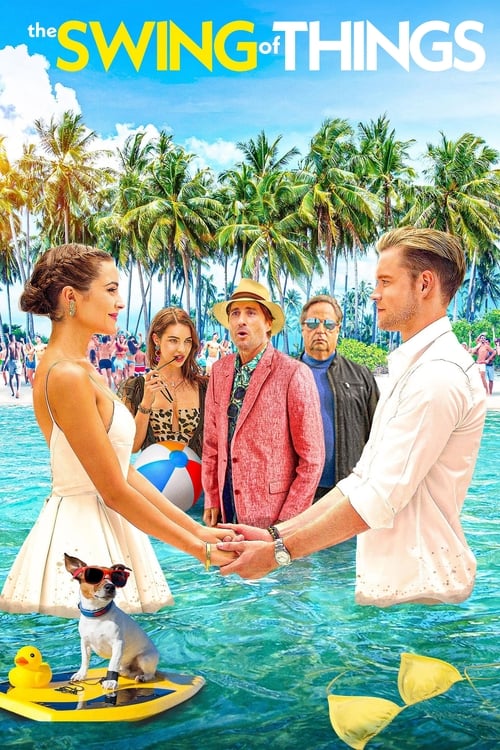
The Swing of Things
2020
No user ratings available yet
Representation score: 3.8 out of 10

Representation Score
Limited
2013
NRDirector
Rob Meltzer
Runtime
95 minutes
Average Rating
No ratings yetNew Showbiz Analysis
Welcome to the Jungle relies on well-worn survival-comedy clichés without engaging in meaningful social commentary. Its diversity metrics are poor, indicating a production that views representation as an afterthought rather than a narrative priority. The film reinforces traditional gender roles and racial hierarchies while offering no queer or disabled visibility. The main issue lies in the film's passive approach to identity. Characters of color serve primarily as plot devices or victims, never driving the story. Female characters are confined to love interests or moral guides, lacking the influence given to the male protagonist. This structural inequality diminishes any comedic potential, making the film feel outdated and unexamined. Ultimately, the movie is a shallow exercise in genre parody. It fails to engage with multi-layered issues or systemic critiques, resulting in a superficial experience.
Category Breakdown
The film focuses solely on a conventional romance between Chris and Lisa, with no LGBTQ+ characters or subtext. This results in a lack of representation for queer communities.
Female characters such as Lisa and Brenda are portrayed in peripheral or dependent roles, reinforcing traditional gender hierarchies. The narrative centers on male leadership, failing to challenge patriarchal structures or give women significant influence.
The cast is mainly composed of white actors, with characters of color like Javier and Storm having limited narrative impact. Their inclusion seems superficial, lacking depth or meaningful engagement with racial identities.
The story avoids specific cultural contexts, focusing on generic corporate survival scenarios. It does not critique Western institutions or capitalism, presenting a culturally neutral backdrop that lacks progressive elements.
There are no characters with visible or invisible disabilities, missing opportunities to challenge ableist norms. The narrative does not address themes of neurodivergence or chronic illness, resulting in a lack of inclusive storytelling.
Present on Screen
Limited or Absent
Official Synopsis
A company retreat on a tropical island goes terribly awry.
2020
2013
2011

1968

2013

2004

2009

2006
No reviews yet. Be the first to share your thoughts on this movie!
Use the rating form above to leave a star rating and optional review.