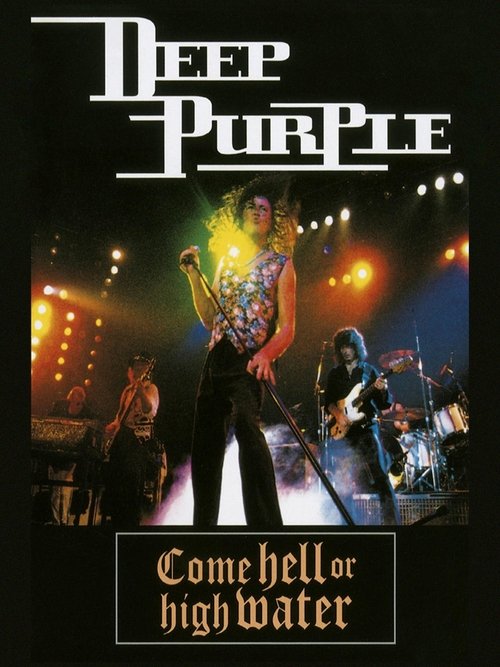
Deep Purple: Come Hell or High Water
1993
No user ratings available yet
Diversity score: 1.4 out of 10

1991
Director
Adrian Woods
Runtime
107 minutes
Average Rating
No ratings yetSynopsis
One for All Tour is a concert video from The Bee Gees recorded live at the National Tennis Centre in Melbourne, Australia in November 1989. Melbourne was the final stop on their 1989 One For All World Tour, which included the United States, the first time The Bee Gees played live there since their 1979 Spirits Having Flown Tour. Originally, this video was released in two volumes on VHS, each 50 minutes apiece. Volume One incorrectly listed the song "My World" from 1972 instead of the song "World" from 1967. In the DVD era, the cover was slightly changed and was released under the title, The Very Best Of The Bee Gees Live! in 1997.
Overall Score
Minimal
Category Breakdown
LGBTQ+ Representation
The production follows standard pop-performance conventions of the era. It contains no portrayals of non-cisnormative gender identities or same-sex intimacy.
Gender Representation
The film centers on a male-dominated musical trio. It lacks central agency from female or non-binary performers, reflecting traditional late-20th-century pop structures.
Racial & Ethnic Diversity
The visual landscape is largely homogeneous, focusing on the three Gibb brothers and a predominantly white touring ensemble. No diverse casting is utilized.
Religious & Cultural Diversity
The content functions as a celebration of musical legacy rather than a critique of institutions. It lacks any subversive or anti-institutional framing.
Disability Representation
There is no visible or invisible disability representation within the performance. The film does not feature performers with disabilities.
Strengths
Areas for Improvement
AI Analysis
As a concert film documenting the Bee Gees' 1989 comeback tour, the work lacks a scripted narrative or character arcs. This absence of storytelling prevents the exploration of complex social themes or intersectional identities. The production maintains a conventional, homogeneous presentation typical of the late-1980s pop industry. The focus remains strictly on the male protagonists and a predominantly white ensemble. Ultimately, the film serves as a traditional musical document. It prioritizes the celebration of a musical legacy over any engagement with progressive social frameworks or systemic power dynamics.
1993
2015
2001
1998
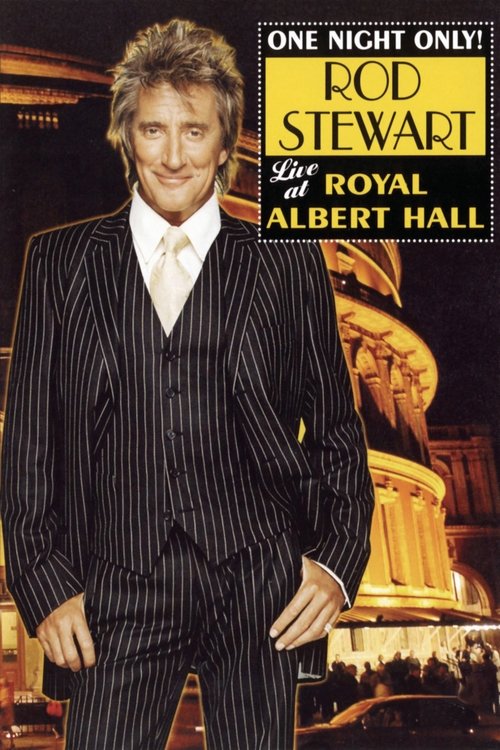
2004
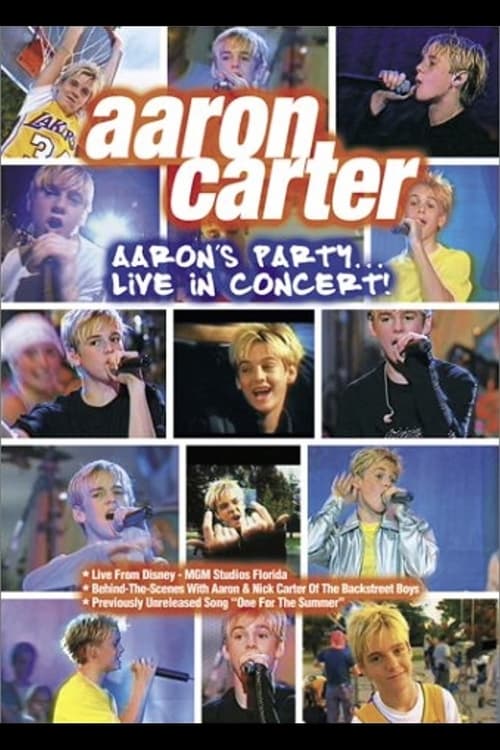
2001
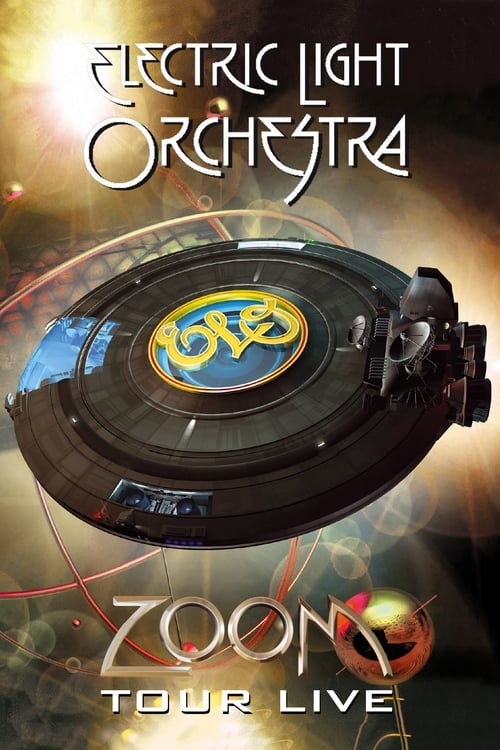
2001
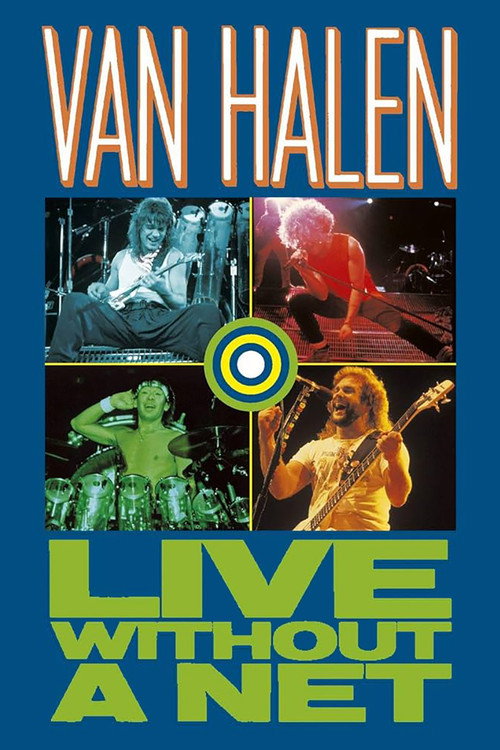
1986
2011
2000
2011
2004
No reviews yet. Be the first to share your thoughts on this movie!
Use the rating form above to leave a star rating and optional review.