
Tiny Mammals
2017
No user ratings available yet
Representation score: 1.4 out of 10

Representation Score
Limited
2020
Director
Jeremy Schaulin-Rioux
Runtime
10 minutes
Average Rating
No ratings yetNew Showbiz Analysis
Rules for Werewolves is a character study that prioritizes psychological tension and the primal needs of its protagonists over sociopolitical commentary. The film uses a survivalist framework to explore how desperation drives adolescent rebellion. While the narrative avoids reinforcing traditional hierarchies by making suburban social norms secondary to survival, it lacks complexity in addressing multiple aspects of identity. The production focuses on individual struggles rather than structured critiques of identity-based power dynamics. Ultimately, the film functions as a genre-driven exploration of moral relativism. It succeeds in portraying characters pushed to the brink by scarcity, though it offers little in the way of explicit demographic representation.
Category Breakdown
The film does not include any verified LGBTQ+ identities or same-sex relationships. It emphasizes the survival of its main characters over exploring social dynamics related to identity.
The story centers on teenagers dealing with a collapse of social order. There is no clear evidence of nuanced female empowerment or challenges to traditional gender roles.
The film does not highlight racial diversity as a central theme. Its focus is on economic hardship in a suburban environment.
The film implicitly criticizes the security of Western suburbs by showing property destruction. It portrays transgression as a result of environmental pressures.
There is no mention of characters with physical or neurodivergent disabilities in the film.
Present on Screen
Limited or Absent
Official Synopsis
As teens ransack a suburban home for food and clothing, one recounts how he got there and how desperation has changed him.
2017
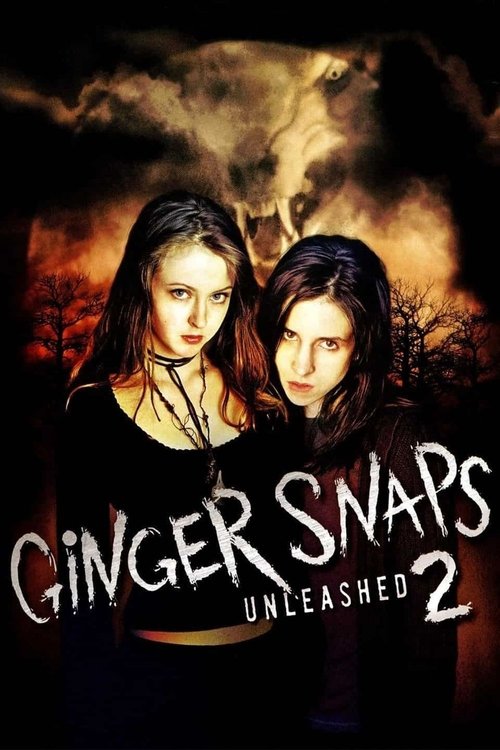
2004

2018
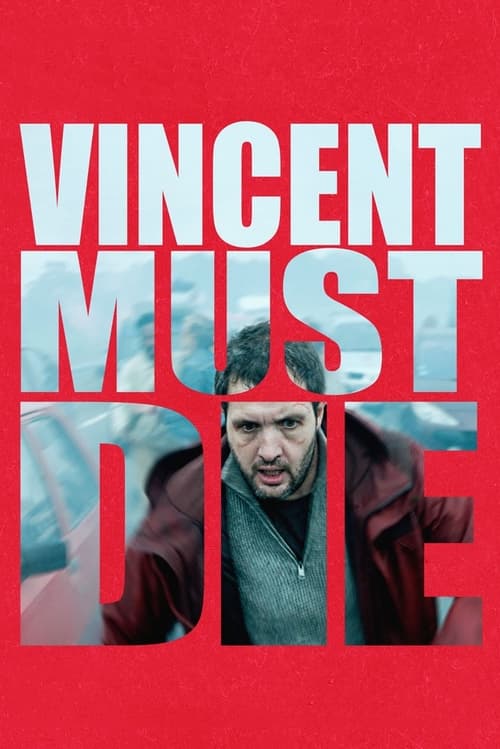
2023
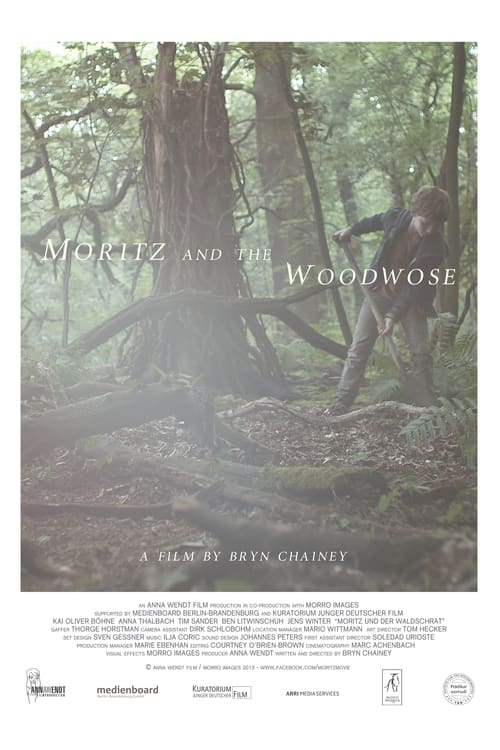
2013
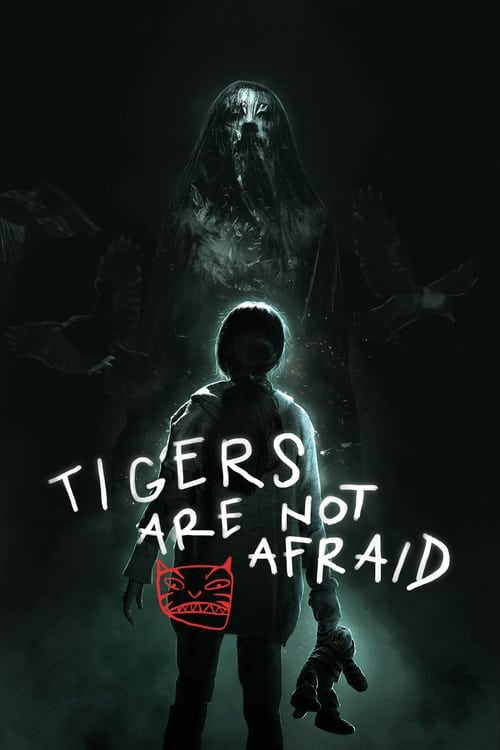
2017

2013

2000
No reviews yet. Be the first to share your thoughts on this movie!
Use the rating form above to leave a star rating and optional review.