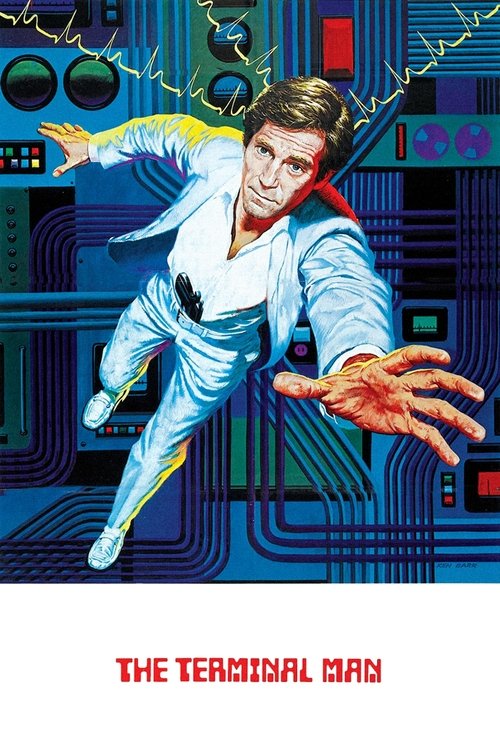
The Terminal Man
1974
No user ratings available yet
Representation score: 3.8 out of 10

Representation Score
Fair
1972
PGDirector
Joy N. Houck Jr.
Runtime
85 minutes
Average Rating
No ratings yetNew Showbiz Analysis
The Brain Machine functions as a conventional exploration of psychological tension, adhering closely to the established norms of early 1970s cinema. The film lacks intentional characters who reflect more than one aspect of diversity or any systemic deconstruction of social hierarchies. The film's reliance on the 'experiment gone wrong' cliché reinforces traditional narratives of scientific ambition. Instead of challenging norms, the production follows the era's established patterns for science fiction and thriller storytelling.
Category Breakdown
The film does not include any representation of non-straight or non-cisgender identities and lacks same-sex intimacy. The narrative centers on psychological horror without exploring LGBTQ+ identities.
Female characters likely play reactive roles to technological crises rather than driving the scientific narrative. The film seems to follow typical 1970s gender dynamics.
The production reflects the homogeneous casting norms of 1972. There is no indication of diverse casting or color-blind casting strategies.
The story operates within traditional Western science fiction frameworks. It emphasizes individual psychological struggles and technological progress over diverse cultural narratives.
Cognitive or neurological vulnerabilities are central to the plot, but these conditions may serve as mere horror devices. There is no evidence of neurodivergent characters having significant control over their actions.
Present on Screen
Limited or Absent
Official Synopsis
Several people volunteer for a scientific experiment about mind-reading and memory, but the experiment goes horribly wrong.
1974
1983
1962
1963

1953

1958
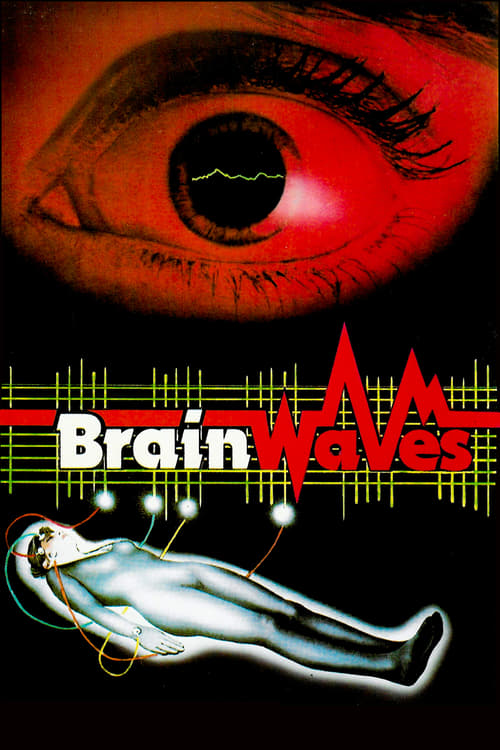
1983

1986
No reviews yet. Be the first to share your thoughts on this movie!
Use the rating form above to leave a star rating and optional review.