Dark Money
2018
No user ratings available yet
Diversity score: 4.0 out of 10
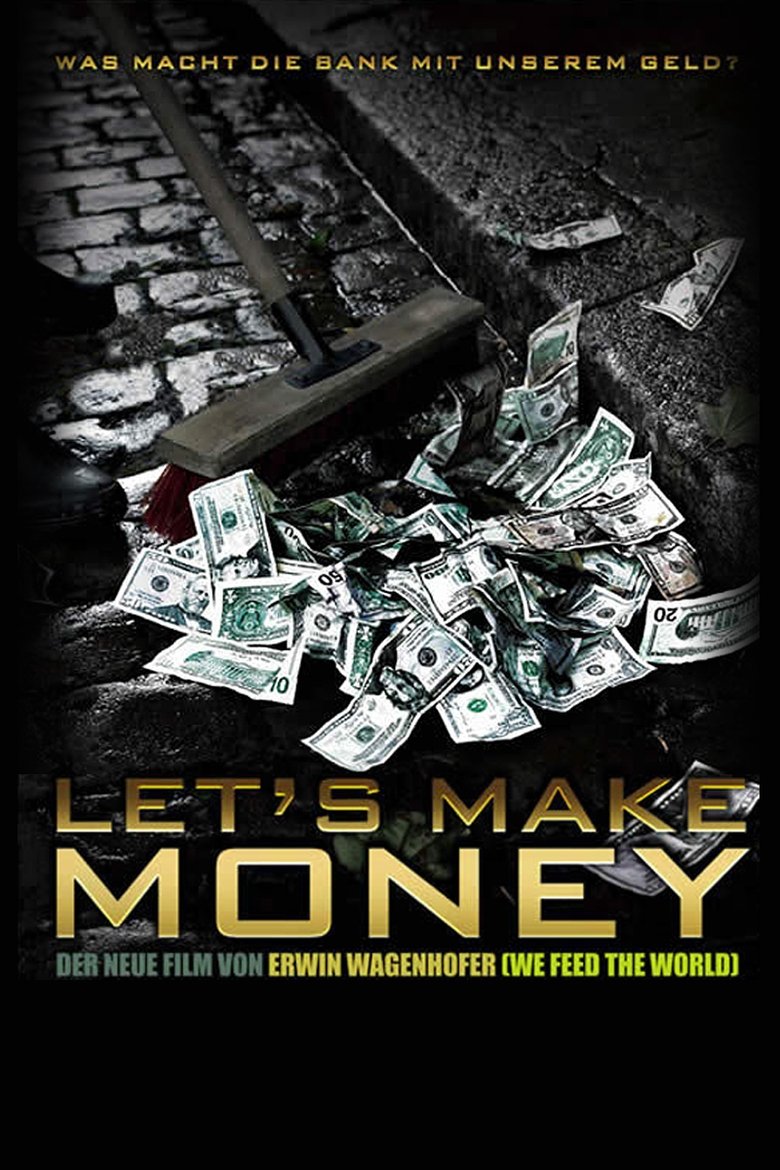
2008
Director
Erwin Wagenhofer
Runtime
110 minutes
Average Rating
No ratings yetSynopsis
Let’s Make Money is an Austrian documentary by Erwin Wagenhofer released in the year 2008. It is about aspects of the development of the world wide financial system.
Overall Score
Fair
Category Breakdown
LGBTQ+ Representation
The documentary focuses strictly on institutional and economic subject matter. There are no LGBTQ+ characters or narratives addressing non-heteronormative identities present in the film.
Gender Representation
The film likely follows traditional historical accounts of economic leadership. It lacks visible subversion of gender hierarchies or specific evidence of female agency in financial history.
Racial & Ethnic Diversity
While the film examines a global financial system, it risks centering a Eurocentric view of banking history. There is no specific evidence of non-Western economic agency.
Religious & Cultural Diversity
The narrative engages with progressive cultural values by critiquing global capitalism. It deconstructs Western economic institutions and frames traditional financial structures as potentially predatory.
Disability Representation
There is no indication that disability, neurodivergence, or physical accessibility are themes addressed within this economic documentary.
Strengths
Areas for Improvement
AI Analysis
Let's Make Money is a systemic critique of the global financial system rather than a study of interpersonal identity. It lacks traditional markers of representation such as LGBTQ+ or disability-focused narratives. However, the film finds strength in its cultural perspective. By challenging the sanctity of global capitalist structures, it disrupts conventional economic narratives through a lens of systemic scrutiny. Ultimately, the documentary prioritizes the deconstruction of institutional power over the representation of diverse social identities.
2018
2014

2006

2023
2013
2009
2014
2010

2015

2009

2018

1997
No reviews yet. Be the first to share your thoughts on this movie!
Use the rating form above to leave a star rating and optional review.