
The Alligator People
1959
No user ratings available yet
Representation score: 1.6 out of 10

Representation Score
Minimal
1966
ApprovedDirector
Francis D. Lyon
Runtime
81 minutes
Average Rating
No ratings yetNew Showbiz Analysis
Castle of Evil is a conventional mid-1960s horror-mystery that adheres strictly to the genre clichés of its era. The narrative follows a standard closed-room structure involving a will reading and a series of murders, reinforcing traditional social hierarchies. The film lacks visible attempts to integrate perspectives reflecting multiple aspects of identity or disrupt established norms. It prioritizes suspense and inheritance-driven conflict over diverse representation, reflecting the homogeneous casting and social frameworks prevalent in 1966 cinema.
Category Breakdown
The film does not include any characters with non-straight or non-cisgender identities. The story follows traditional social structures typical of mid-1960s genre cinema.
The story focuses on familial inheritance, which traditionally centers on patriarchal lineage. There is no indication of challenging traditional gender hierarchies or portraying masculinity in a non-traditional way.
The production likely reflects the homogeneous casting norms of 1966. There is no evidence of actively leading characters of color or race-bent casting within the mystery.
The plot centers on Western institutional values regarding property and estate preservation. It does not appear to challenge capitalism or traditional Western social structures.
No information is available regarding the inclusion of neurodivergent or physically disabled characters. The focus remains entirely on the mechanics of the murder mystery.
Present on Screen
Limited or Absent
Official Synopsis
The relatives of a recently deceased man gather at his eerie mansion but before his will can be read, they start being murdered one by one.
1959
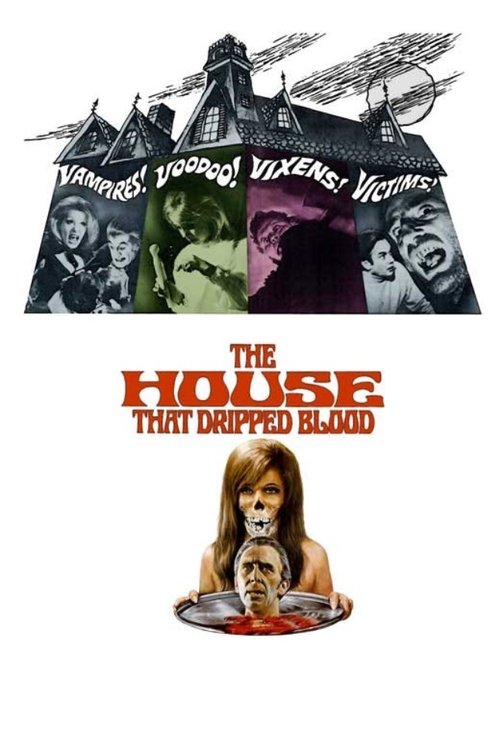
1971
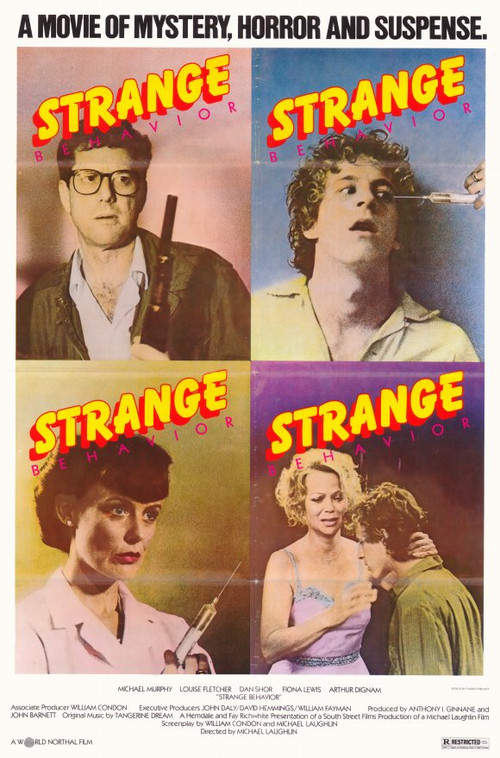
1981
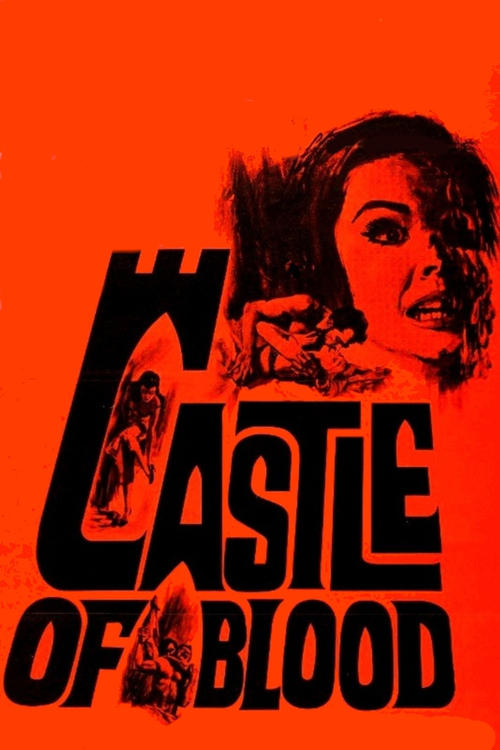
1964

1971
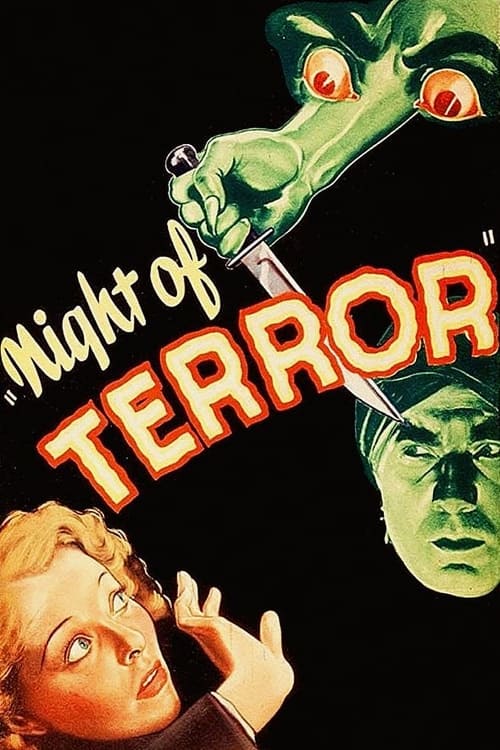
1933

1967
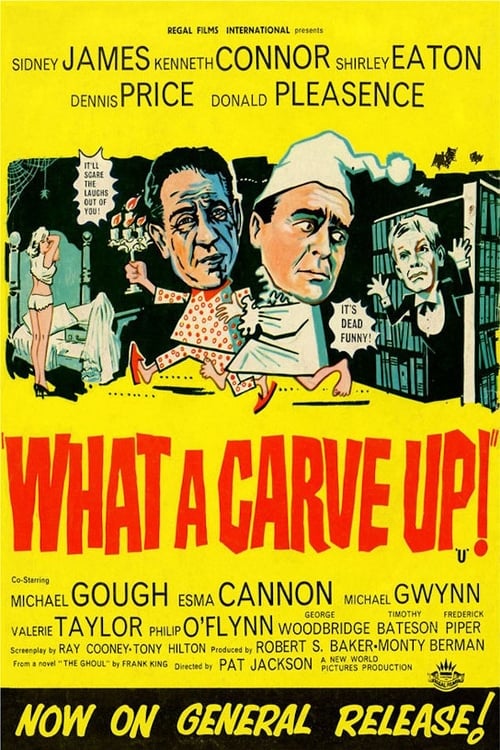
1961
No reviews yet. Be the first to share your thoughts on this movie!
Use the rating form above to leave a star rating and optional review.