
Mermaid
1964
No user ratings available yet
Representation score: 4.9 out of 10
Representation Score
Good
1984
Director
Shin'ichi Tsuji
Runtime
96 minutes
Average Rating
No ratings yetNew Showbiz Analysis
The film offers a fresh perspective by challenging traditional romantic and gender roles. It explores the emotional connection between a human and a cat, moving away from rigid social structures and focusing on vulnerability. However, the narrative lacks depth in exploring mental health and non-traditional relationships, limiting its broader social impact due to its localized focus and lack of diverse representation.
Category Breakdown
The film focuses on a unique romantic relationship between a human and a feline entity. This relationship challenges traditional biological expectations, but does not explicitly label the characters with contemporary LGBTQ identities.
Chibi-neko is a female-coded protagonist whose emotional journey drives the story. The male lead, Tokio, is portrayed through vulnerability rather than traditional masculine traits.
The story takes place in a localized, domestic setting with no indication of a multi-ethnic cast or diverse racial identities.
Cottonland emphasizes individual dreams and escapism over rigid institutional structures. The setting is secular and focused on personal freedom and subjective morality.
Tokio's withdrawal after academic failure hints at depression or neurodivergent conditions. However, his condition mainly serves as a plot device rather than a detailed exploration of disability.
Present on Screen
Limited or Absent
Official Synopsis
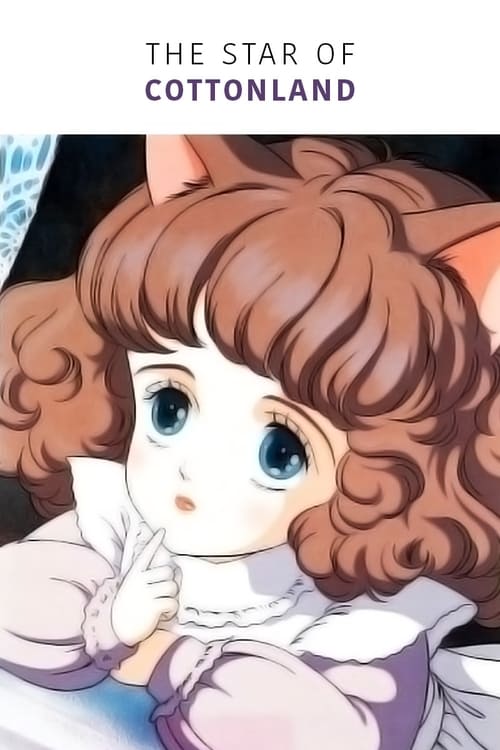
After two-month-old kitten Chibi-neko is abandoned by her former owners, she is found by 18-year-old Tokio. Although his mother is allergic to cats and has a great fear of them, she agrees to let him keep the kitten because she fears he is becoming too withdrawn after failing his university entrance exams. Chibi-neko soon falls in love with Tokio. In her own mind, Chibi-neko is a small human who speaks in human words, although people only ever seem to hear her meow, and she believes that all humans were once kittens like her. A stray cat tells Chibi-neko of a paradise called Cottonland, where dreams can come true.
1964
2020
1992

1992

2008

2014

2006
2002
No reviews yet. Be the first to share your thoughts on this movie!
Use the rating form above to leave a star rating and optional review.