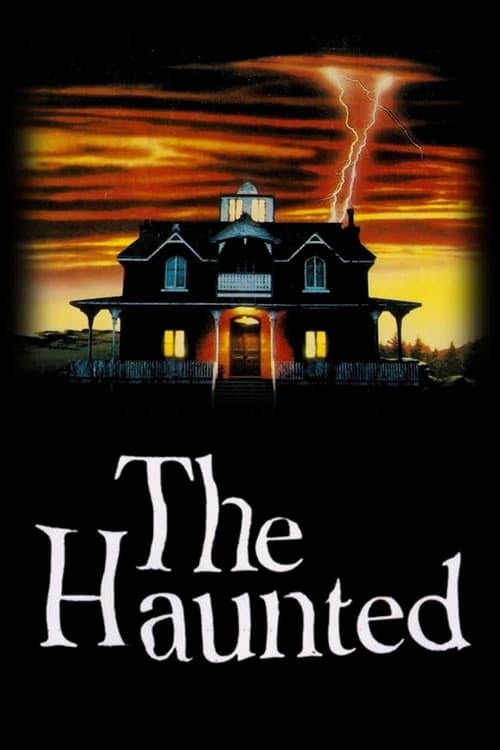
The Haunted
1991
No user ratings available yet
Representation score: 2.3 out of 10
Representation Score
Limited
1992
RDirector
Lewis Abernathy
Runtime
94 minutes
Average Rating
No ratings yetNew Showbiz Analysis
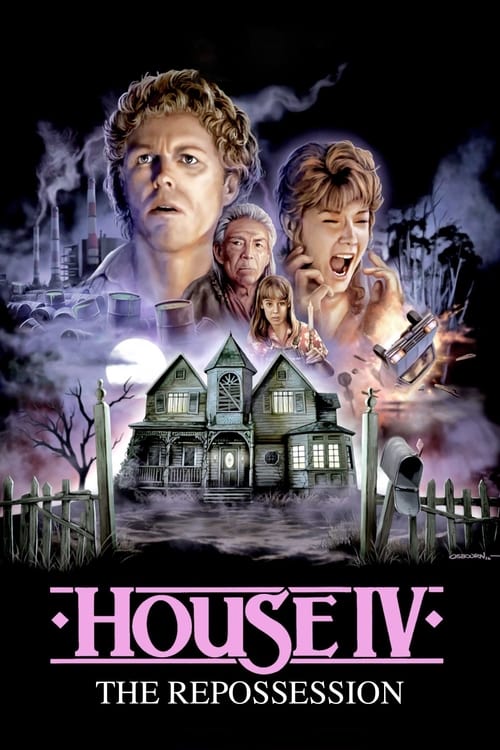
House IV operates strictly within the established conventions of early 90s supernatural horror and comedy. The narrative structure prioritizes traditional clichés of domesticity and familial grief over any intentional disruption of social norms. The film focuses on a nuclear family unit attempting to rebuild after a tragedy. This focus results in a narrow perspective that lacks depth in representing multiple aspects of identity. Ultimately, the production follows standard genre patterns of its era, favoring homogeneous domestic settings and traditional character roles rather than exploring complex cultural or identity-driven narratives.
Category Breakdown
The story centers on a maternal bond and the aftermath of a family tragedy. It lacks characters with non-traditional gender identities or narratives that challenge the assumption that everyone is straight or cisgender.
A female protagonist leads the narrative as she navigates grief and domestic instability. However, her role leans into the grieving matriarch cliché rather than subverting traditional gender roles.
The setting focuses on a family homestead within a localized domestic horror framework. The cast appears to follow conventional, homogeneous casting patterns typical of early 90s genre cinema.
Themes revolve around Western ideals of familial continuity and the sanctity of the home. The narrative emphasizes traditional stability and the preservation of the family unit.
While a car crash is a central plot point, there is no evidence of characters navigating life with visible or invisible disabilities.
Present on Screen
Limited or Absent
Official Synopsis
Unaware that it's plagued by a host of supernatural phenomena, a mother and her daughter, still reeling from a car crash which claimed the life of Roger Cobb, move into the hold family homestead to start a new life.
1991

1976
1988
2002
2003

2003
2002
1996
No reviews yet. Be the first to share your thoughts on this movie!
Use the rating form above to leave a star rating and optional review.