The Bears and I
1974
No user ratings available yet
Representation score: 3.7 out of 10
Representation Score
Limited
1999
PG-13Director
Richard Attenborough
Runtime
117 minutes
Average Rating
No ratings yetNew Showbiz Analysis
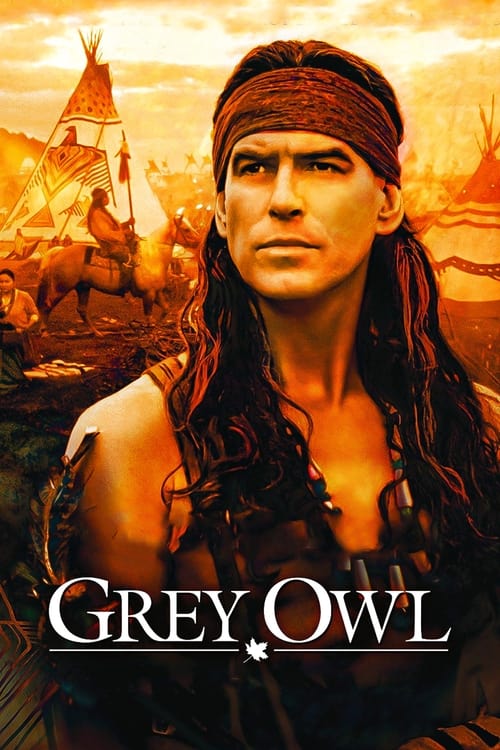
Grey Owl functions as a period drama centered on environmentalism and cross-cultural connections. The narrative focuses on the transition from exploitative trapping to conservationism, using a romantic subplot to bridge different cultural perspectives. The film's strength lies in challenging the rugged individualist cliché. It replaces it with a character arc defined by moral adaptation and the influence of Indigenous ecological wisdom. While the film achieves meaningful representation through its central relationship and the active role of its female lead, the structure remains centered on a Western protagonist's journey of enlightenment.
Category Breakdown
The film focuses on a heterosexual romance between Archie Grey Owl and Anahareo. There are no non-straight identities or critiques of the assumption that everyone is straight or cisgender.
Anahareo plays a crucial role in driving the story and transforms the male protagonist. However, the central storyline revolves around the male character's personal growth.
The story centers on an interracial relationship and highlights Indigenous land stewardship. However, the plot's progression towards English-speaking environments may prioritize Western validation.
The film explores a shift from exploitative industries to a symbiotic relationship with nature. It emphasizes a naturalist worldview over traditional Western dominance of the environment.
There are no visible or invisible disabilities depicted or used as plot devices within the story.
Present on Screen
Limited or Absent
Official Synopsis
Archie Grey Owl is a trapper in Canada in the early 1930s when a young Iroquois woman from town asks him to teach her Indian ways. They live in the woods, where she is appalled at how trapped animals die. She adopts two orphaned beaver kits and helps Archie see his way to stop trapping. Instead, he works as a guide, a naturalist writer, and then the Canadian government hires him to save the beaver in a conserve by Lake Ajawaan in Prince Albert National Park. He writes a biography, which brings him attention in Canada and invitations to lecture in England. Before he leaves, he and Anahareo (Pony) marry. In England, his secret is revealed. Will Anahareo continue to love him?
1974
1966
1976
1983
2000
2015
2004
1988
No reviews yet. Be the first to share your thoughts on this movie!
Use the rating form above to leave a star rating and optional review.