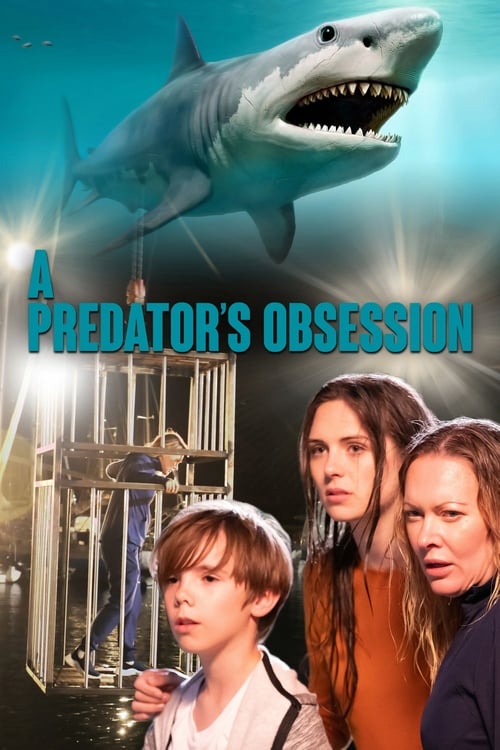
A Predator's Obsession
2020
No user ratings available yet
Diversity score: 2.2 out of 10
2017
TV-14Director
Colin Theys
Runtime
97 minutes
Average Rating
No ratings yetSynopsis
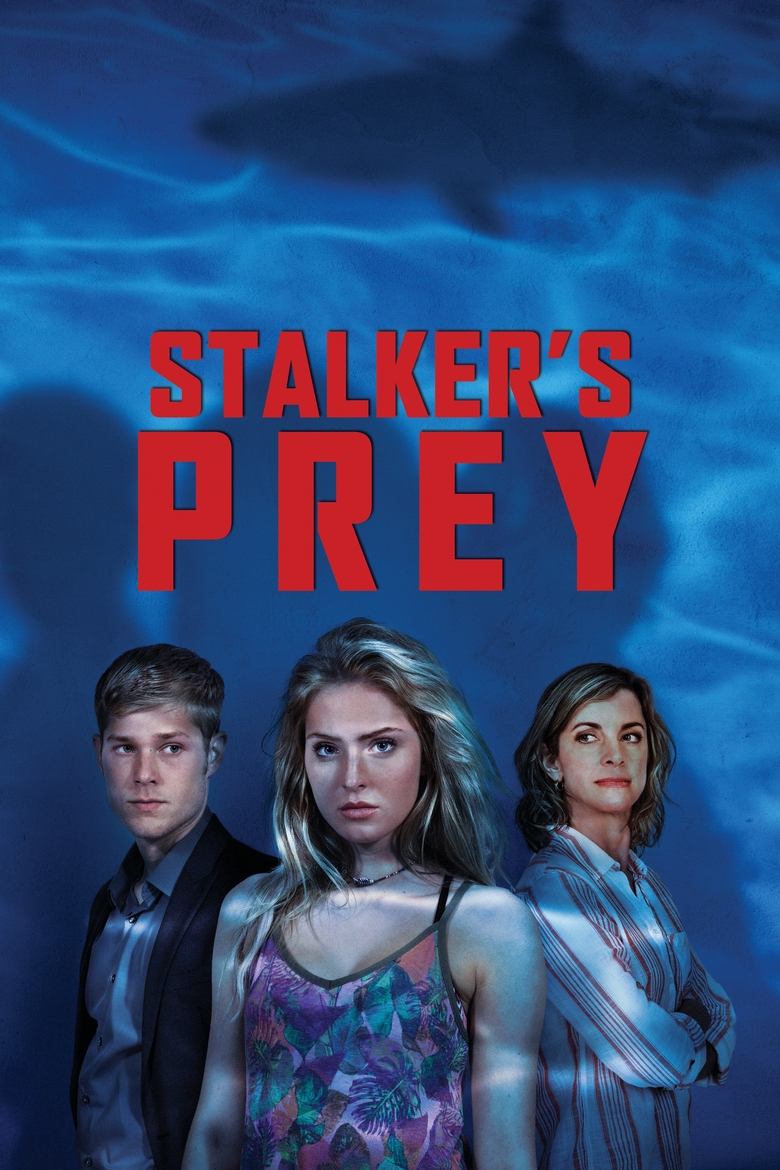
Laura's life is turned upside down when she is attacked by a shark while celebrating her 18th birthday. She's rescued by Bruce, a handsome young man just returned home from college. As she recovers, he becomes a local hero for his bravery. As the dust settles, Bruce seems smitten with his damsel in distress, but Laura is not ready to move past the boyfriend she lost in the attack.
Overall Score
Limited
Category Breakdown
LGBTQ+ Representation
The story centers on heterosexual romantic tension between the two leads. It lacks any visible non-cisnormative identities or critiques of heteronormativity.
Gender Representation
The film relies on traditional archetypes like the 'damsel in distress' and the 'local hero.' While Laura shows internal struggle, the power dynamic favors the male protector.
Racial & Ethnic Diversity
The narrative provides no information regarding the racial or ethnic identities of the characters. Consequently, no assessment of racial diversity can be made.
Religious & Cultural Diversity
The plot follows conventional Western storytelling patterns focused on individual trauma and romantic pursuit. It reinforces traditional social values rather than challenging them.
Disability Representation
Physical trauma serves primarily as a plot device to connect the protagonists. The recovery arc lacks a nuanced exploration of agency or lived experience.
Strengths
Areas for Improvement
AI Analysis
Stalker's Prey operates within a very traditional cinematic framework, leaning heavily on established genre tropes. The narrative structure prioritizes a classic hero-and-victim dynamic that reinforces conventional social hierarchies rather than subverting them. The film's reliance on the 'savior' archetype for the male lead and the 'traumatized survivor' for the female lead limits its depth. This approach favors predictable character roles over complex, intersectional storytelling. Ultimately, the film lacks the necessary elements to provide a diverse or challenging perspective, functioning instead as a standard psychological thriller rooted in Western romantic norms.
2020

2018

2019

2020

2023
2023

2021

2021
2018

2016

2018

2018
No reviews yet. Be the first to share your thoughts on this movie!
Use the rating form above to leave a star rating and optional review.