
The Consul's Son
2010
No user ratings available yet
Representation score: 2.6 out of 10
Representation Score
Limited
2014
Director
David Sainz
Runtime
108 minutes
Average Rating
No ratings yetNew Showbiz Analysis
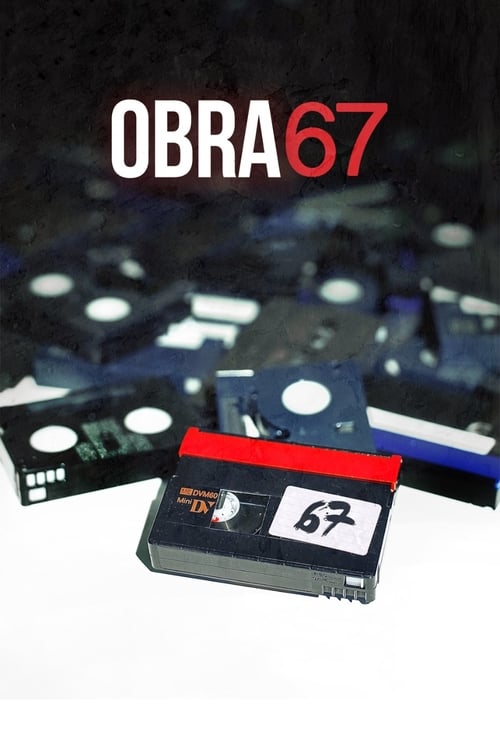
Obra 67 is a character-driven crime comedy that centers on traditional masculine archetypes and generational relationships. The plot revolves around a man's reintegration into society and his son's ambitions after a period of incarceration. While the film includes a likely Hispanic cast, it does not delve into multi-layered complexities. Instead, it adheres to conventional genre expectations without challenging established social hierarchies. Overall, the film operates within a traditional framework, emphasizing familial ties and male-centric relationships.
Category Breakdown
The film does not include any LGBTQ+ characters or non-cisgender identities. The story focuses solely on traditional family and brotherly bonds.
The story emphasizes male-dominated dynamics, particularly father-son relationships and male friendships. It does not challenge traditional gender roles or offer diverse female characters.
Character names suggest a primarily Hispanic or Latin American cast. However, it is unclear if this represents a deliberate change from typical casting practices or a specific cultural setting.
The film explores themes of social reintegration through crime-comedy clichés. It does not explicitly critique systemic issues or Western institutions.
The film does not feature any characters with visible or invisible disabilities.
Present on Screen
Limited or Absent
Official Synopsis
After spending 20 years in prison, notorious villa thief Juan "el Candela" is released and reunited with his son Juan "el Chispa" and his friend Cristo. While "el Candela" tries to adapt to the new world he finds himself in, his son plans to raise money to fulfil his musical dream, using his father as a reference.
2010

2014
2017

2003

2017

2012

2020

2004
No reviews yet. Be the first to share your thoughts on this movie!
Use the rating form above to leave a star rating and optional review.