
The Sin Syndicate
1965
No user ratings available yet
Representation score: 4.5 out of 10
Representation Score
Minimal
1956
Not RatedDirector
William Morgan
Runtime
57 minutes
Average Rating
No ratings yetNew Showbiz Analysis
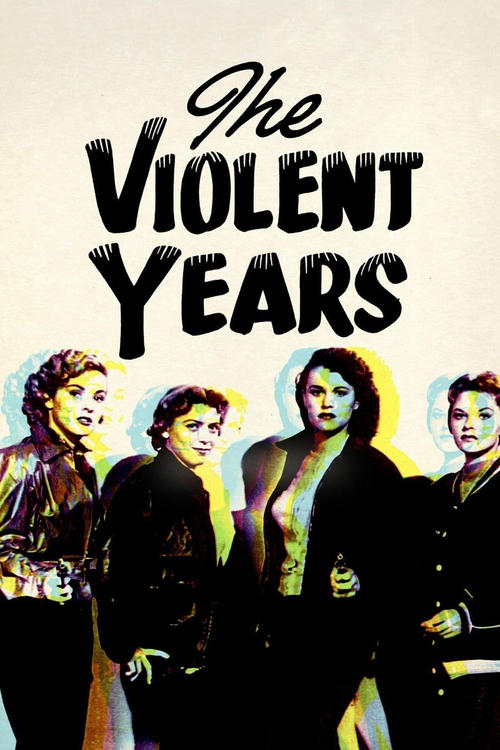
The Violent Years functions as a mid-century cautionary drama that uses rebellion to reinforce social hierarchies. While the film allows female characters significant roles in criminal activities, it frames this autonomy as a symptom of social instability rather than empowerment. Gender non-conformity and the disruption of the patriarchal family unit are used as markers of deviance. The narrative structure critiques the protagonists' actions, presenting their rejection of traditional values as a descent into sin and chaos. Overall, the film lacks depth in exploring various identities and cultures. It relies on clichés of social decay to uphold the moral standards of the 1950s, offering little genuine exploration of cultural or identity-driven issues.
Category Breakdown
Female characters wear masculine clothing and participate in makeout parties, but these behaviors are portrayed as signs of delinquency and moral decay, not as expressions of queer identity.
The film shows daughters engaging in high-stakes crimes, but this autonomy is framed negatively due to parental neglect and sin, rather than as a positive assertion of independence.
The narrative does not feature a diverse cast. The focus on 'un-American' clients suggests a narrow view of mid-century American homogeneity and traditional Western structures.
The story presents rebellion against religion and patriotism as a cautionary tale, illustrating moral collapse rather than critiquing systemic oppression.
There are no characters with physical or neurodivergent disabilities in the film.
Present on Screen
Limited or Absent
Official Synopsis
A newspaper publisher's daughter suffers from neglect by her parents. She and her friends turn to crime by dressing up like men, holding up gas stations, raping young men at gunpoint, and having makeout parties when her parents are away. Their "fence" gets them to trash the school on request of sinister un-American clients, and they run afoul of the law, apple pie, and God himself.
1965
1950
1958

1970

1975
1976
1955
1970
No reviews yet. Be the first to share your thoughts on this movie!
Use the rating form above to leave a star rating and optional review.