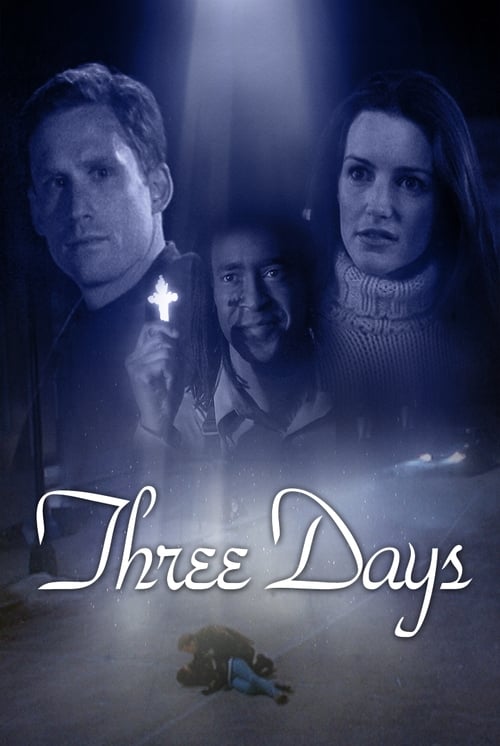
The Christmas Cure
2017
No user ratings available yet
Diversity score: 1.5 out of 10

2003
GDirector
Michael Switzer
Runtime
99 minutes
Average Rating
No ratings yetSynopsis
When his father dies, Terry (Gary Sinese) returns to the house where he grew up, planning to stay only long enough to clean and settle the estate. Yet something indescribable keeps him there longer than expected. Soon, he is reunited with memories and people from his past and his life is changed forever.
Overall Score
Limited
Category Breakdown
LGBTQ+ Representation
The film follows a traditional emotional arc centered on grief and reconnection. There is no evidence of queer narratives or non-cisnormative identities within the story.
Gender Representation
The plot centers on a male protagonist navigating the death of his father. While it explores emotional vulnerability, it follows a standard male-driven journey of inheritance.
Racial & Ethnic Diversity
The narrative appears to adhere to a homogeneous social structure. There is no indication of a diverse cast or the integration of non-Anglo-Saxon perspectives.
Religious & Cultural Diversity
Themes of settling an estate and honoring parents align with traditional Western values. The story reinforces familial continuity and the sanctity of the domestic sphere.
Disability Representation
The film provides no information regarding the depiction of physical, sensory, or neurodivergent characters.
Strengths
Areas for Improvement
AI Analysis
Fallen Angel operates as a conventional domestic drama that prioritizes personal nostalgia over social subversion. The narrative architecture is built around traditional milestones of inheritance and familial legacy, which limits its engagement with diverse perspectives. The story follows a standard heteronormative and patriarchal framework. By focusing on a male protagonist's journey through grief and estate management, the film reinforces established social hierarchies rather than challenging them. Ultimately, the production reflects the standard television drama conventions of the early 2000s. It lacks the intersectional depth required to represent a broad spectrum of identities, opting instead for a localized, homogeneous storytelling approach.
No reviews yet. Be the first to share your thoughts on this movie!
Use the rating form above to leave a star rating and optional review.