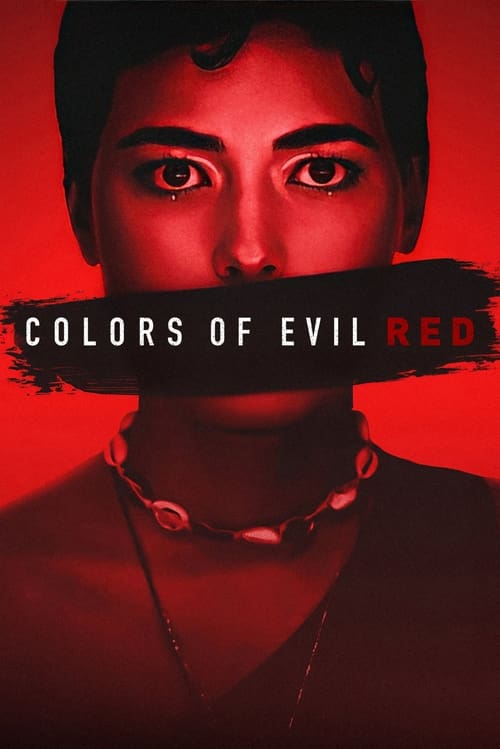
Colors of Evil: Red
2024
No user ratings available yet
Representation score: 3.2 out of 10
Representation Score
Minimal
2026
Director
Adrian Panek
Runtime
110 minutes
Average Rating
No ratings yetNew Showbiz Analysis
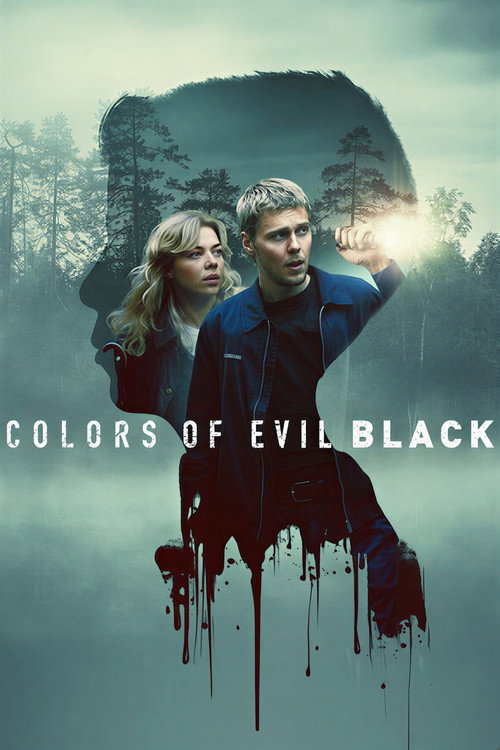
Colors of Evil: Black follows prosecutor Leopold Bilski into a remote Polish town where children vanish and a sinister local legend looms. The narrative drive rests with male authority figures, while women occupy key but reactive positions within the mystery. The film’s cultural edge lies in its skepticism toward local power. Political corruption and compromised institutions are foregrounded, offering a critical lens on community authority rather than romanticizing tradition. Demographically, the picture is narrow. The cast is ethnically homogeneous, and no LGBTQ+ or disabled characters appear in the available material. Gender roles remain conventional, with the central investigative work led by men.
Category Breakdown
No LGBTQ+ characters or same-sex relationships appear in the available plot details or cast list. The narrative offers no visible queer presence or subtext.
The lead investigator is a man, while primary female roles are tied to the central mystery. Women do not drive the main plot actions in the provided synopsis.
The cast and setting are entirely Polish, with no indication of racial or ethnic diversity in the characters or story.
The plot centers on political corruption and a dark local legend, questioning local authority. Traditional institutions are framed as compromised rather than honored.
No characters with physical or mental disabilities are mentioned in the plot summary or cast information.
Present on Screen
Limited or Absent
Official Synopsis
Investigating the disappearance of children in a remote Polish town, prosecutor Leopold Bilski must unravel a sinister local legend before it's too late.
2024

2013

2020
2017

2025

2024

2007

2017
No reviews yet. Be the first to share your thoughts on this movie!
Use the rating form above to leave a star rating and optional review.