
Homecoming
2012
No user ratings available yet
Representation score: 3.4 out of 10
Representation Score
Limited
2014
PGDirector
Michael M. Scott
Runtime
88 minutes
Average Rating
No ratings yetNew Showbiz Analysis
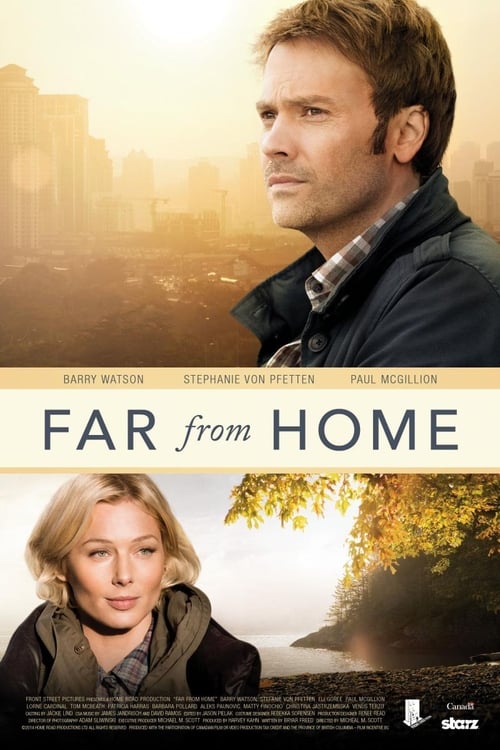
Far from Home operates as a conventional character drama that relies on established storytelling formulas. The plot centers on a traditional male-driven arc of returning to one’s roots after a death, limiting the scope of its social exploration. While the cast includes actors of color and women, the narrative does not prioritize characters who reflect more than one aspect of diversity or systemic challenges. The film maintains a baseline of inclusion without actively disrupting cultural or gendered hierarchies. Ultimately, the production follows standard television drama parameters. It functions more as a localized family study than a work designed to challenge social norms or provide deep representation for underrepresented groups.
Category Breakdown
The film does not include explicit LGBTQ+ characters or narratives that question the assumption that everyone is straight or cisgender. Queer identities and the ability to drive the story appear absent from the main storyline.
The story revolves around a male-centric emotional journey of an embittered writer. While there are female cast members, the film does not challenge traditional gender roles.
The inclusion of Eli Goree adds racial diversity to the ensemble. However, it is unclear if these characters have a significant role in driving the story or substantial depth.
The story follows typical Western conventions about family legacies and returning home. It seems to adhere to conventional social norms without questioning Western institutions.
There is no verifiable information about the inclusion of characters with physical, neurodivergent, or mental health disabilities.
Present on Screen
Limited or Absent
Official Synopsis
Upon the death of his estranged uncle, an embittered writer returns to his home town.
2012

2023

1984
2009
1979

2005

2022
1996
No reviews yet. Be the first to share your thoughts on this movie!
Use the rating form above to leave a star rating and optional review.