Nallavan
1988
No user ratings available yet
Representation score: 2.1 out of 10
Representation Score
Limited
1988
Not RatedDirector
S. P. Muthuraman
Runtime
150 minutes
Average Rating
No ratings yetNew Showbiz Analysis
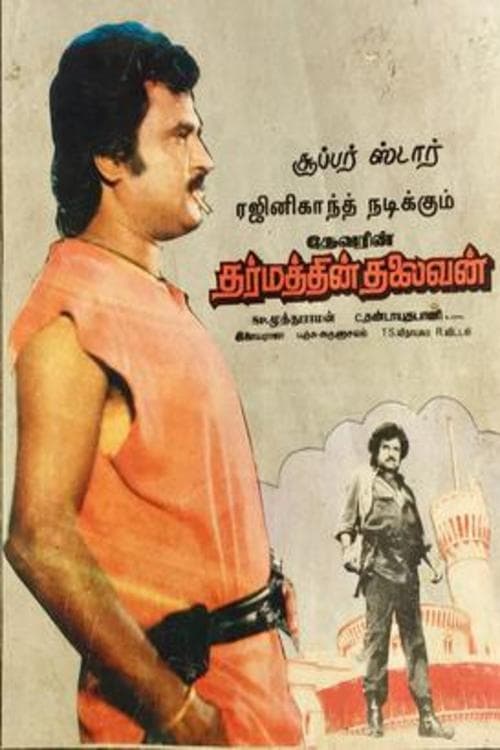
Dharmathin Thalaivan is a quintessential 1980s masala film that prioritizes star-driven narratives and traditional entertainment. It functions as a vehicle for a actively leading male protagonist, reinforcing established social hierarchies rather than deconstructing them. The film excels at centering regional identity and local cultural experiences. However, it lacks complexity in representing diverse identities and relies on moral absolutes and standard romantic pairings aligned with the era's commercial conventions. Ultimately, the film serves to stabilize traditional social norms through its depiction of vigilantism and family loyalty, offering a culturally cohesive but socially conservative viewing experience.
Category Breakdown
The film follows a conventional structure typical of 1980s South Indian cinema, focusing on traditional romantic relationships without challenging established norms.
The narrative focuses on the male protagonist, who drives the story, while female characters are defined by their relationships to him and play minor roles.
The film centers a culturally cohesive South Indian cast, providing strong representation of regional identity and socioeconomic diversity within the Tamil landscape.
The story reinforces traditional values of family loyalty and social order, presenting a clear moral dualism where the hero upholds justice.
There is no significant evidence regarding the inclusion of characters with visible or invisible disabilities.
Present on Screen
Limited or Absent
Official Synopsis
When Raju loses his soft-spoken, loving elder brother Balu in a fight, he gives up his violent ways. However, his life changes for the better when he meets his brother's lookalike, who is a criminal.
1988

2014
1984
2017
1989
1985
1993

2005
No reviews yet. Be the first to share your thoughts on this movie!
Use the rating form above to leave a star rating and optional review.