
The Black Devil and the White Prince Special
2015
No user ratings available yet
Representation score: 2.6 out of 10
Representation Score
Limited
2016
Director
Sho Tsukikawa
Runtime
93 minutes
Average Rating
No ratings yetNew Showbiz Analysis
The film stands out for its sophisticated handling of racial and ethnic identity within a historical setting. By using the 'Black Devil' character to disrupt the era's standard of homogeneity, it provides a meaningful critique of ethnic uniformity. However, the production remains limited by its adherence to conventional romantic structures. Gender dynamics often favor traditional patriarchal roles, and the narrative lacks any LGBTQ+ representation or disability inclusion. Ultimately, the film's strength lies in its ability to use the Taisho era to examine the friction between systemic tradition and individual ability to act, even while staying within the bounds of standard romantic melodrama.
Category Breakdown
The film focuses solely on heterosexual relationships without any representation of LGBTQ+ identities or queer subtext.
The film follows traditional romantic structures where the female protagonist faces social constraints. Gender dynamics often favor patriarchal roles, with the male lead significantly influencing the female lead’s emotional journey.
The film challenges ethnic uniformity by centering a character of mixed heritage or foreign lineage. This use of complexion and lineage serves as a metaphor for cultural tensions during the Taisho era.
The narrative explores the clash between traditional Japanese values and Westernized modernity. It frames individual happiness as a counter-narrative to oppressive familial and state-sanctioned social duties.
There is no visible or invisible disability represented in the film or used as a narrative device.
Present on Screen
Limited or Absent
Official Synopsis
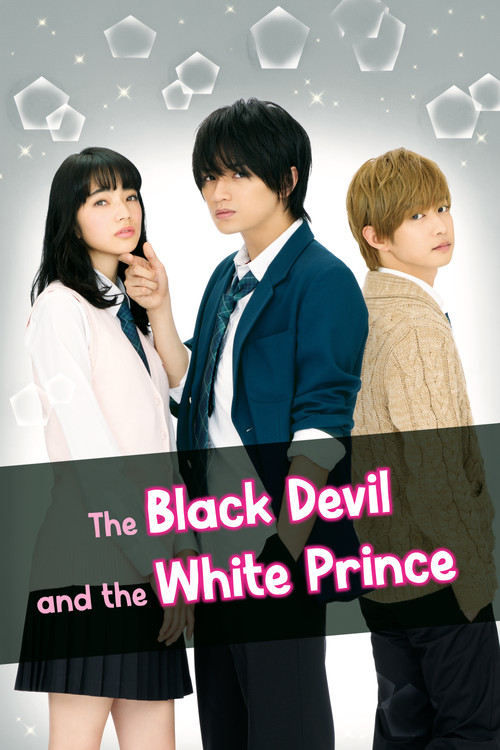
Yū Akahane moves to a dormitory room after her father's transfer from work. She is excited that she will live in the same dorm as Takumi Shirakawa, aka "White Prince." Yet, Haruto Kurosaki, aka "Black Devil", kisses her as punishment for going against him. It is Yū Akahane's first kiss. Since then, she becomes obedient to Haruto Kurosaki.
2015

2022
2019

2004

2016

2021
2016

2012
No reviews yet. Be the first to share your thoughts on this movie!
Use the rating form above to leave a star rating and optional review.