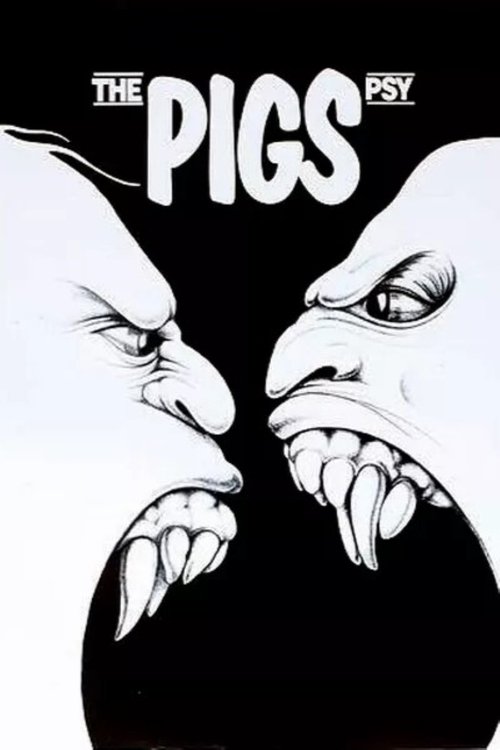
The Pigs
1992
No user ratings available yet
Representation score: 1.5 out of 10
Representation Score
Minimal
1994
Director
Władysław Pasikowski
Runtime
100 minutes
Average Rating
No ratings yetNew Showbiz Analysis
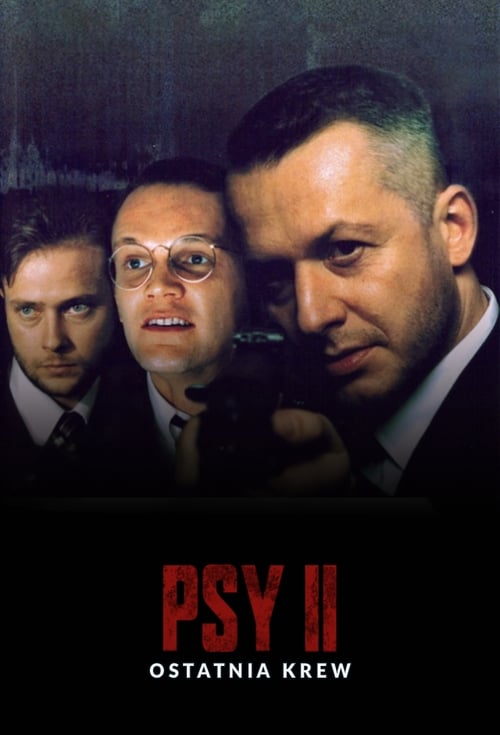
Psy 2. Ostatnia krew is a hyper-masculine neo-noir that emphasizes systemic critique over broad demographic representation. While it lacks diverse representation for LGBTQ+, women, or disabled individuals, it stands out in cultural depth by examining the erosion of institutional integrity during Poland's transition to capitalism. The film's strength lies in its critical exploration of moral relativism and broken social contracts. However, its narrow focus on male-driven violence and a homogeneous cast limits its diversity.
Category Breakdown
The film does not include any LGBTQ+ characters or stories about non-cisgender identities. It focuses entirely on male-driven power dynamics and criminal activities.
The story is centered around male conflicts and professional hierarchies. Women are shown as secondary to the main power struggles, following strict masculine stereotypes.
The cast is mostly made up of people from the same background, reflecting the post-communist Polish context. The narrative focuses on geopolitical conflicts rather than domestic racial diversity.
The film provides a critical look at the shift towards capitalism and changing institutions. It portrays a world where state authority is questioned and moral relativism prevails.
There is no representation of physical or cognitive disabilities. Characters are defined by their violent and survivalist behaviors in a criminal setting.
Present on Screen
Limited or Absent
Official Synopsis
Franz Maurer, a compromised cop, former officer of the criminal department of the Warsaw's police, is released from prison where he was doing time for his brutality and murders. He is awaited by Nowy, a former police colleague. Franz tries to go straight starting hard work in a steel mill. Nevertheless, he must leave the factory as a criminal with an uncertain past when he doesn't join the strike organized by the workers' union. At the same time, a merciless war continues in former Yugoslavia. Wolf and William, two high rank officers, come to Poland in order to organize a network selling and smuggling arms to Yugoslavia by way of Albania.
1992
2014
2020
2002
1977
2018

2012
1996
No reviews yet. Be the first to share your thoughts on this movie!
Use the rating form above to leave a star rating and optional review.