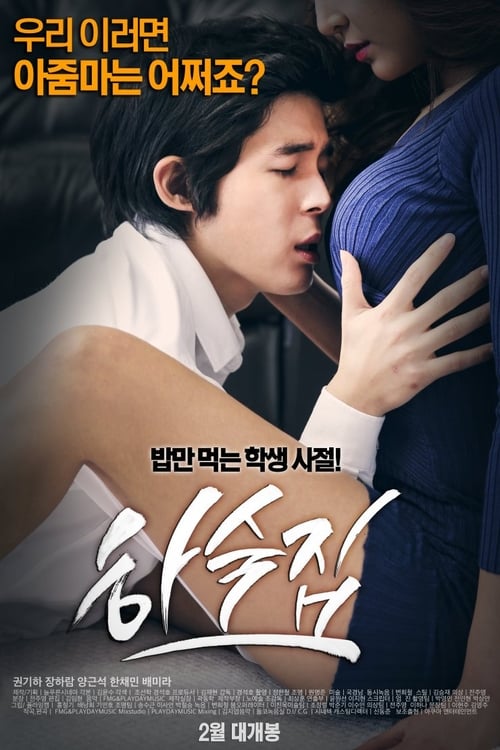
Boarding House
2014
No user ratings available yet
Representation score: 2.7 out of 10

Representation Score
Limited
2016
Director
Jeong Tae-ryeong
Runtime
92 minutes
Average Rating
No ratings yetNew Showbiz Analysis
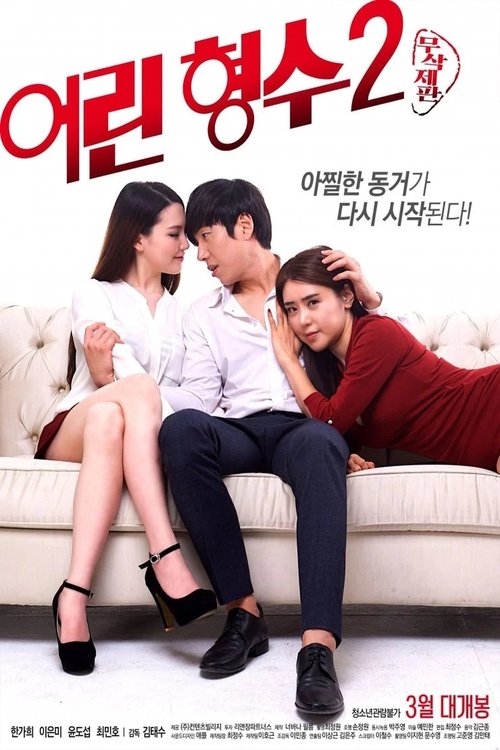
Boarding House 2 is a genre-driven romance that prioritizes established clichés over social complexity. The narrative structure revolves around a male protagonist's journey, using female characters primarily as romantic or sexual catalysts. The film operates within a culturally homogeneous framework, reflecting standard South Korean social aspirations like securing stable government employment. It does not attempt to challenge traditional hierarchies or introduce perspectives that reflect multiple aspects of identity. Ultimately, the film functions as a conventional romantic comedy. It lacks the depth needed to address LGBTQ+ identities, disability, or broader systemic critiques, focusing instead on escapist character dynamics.
Category Breakdown
The film follows a structure centered on a male protagonist and two women, without showing any queer relationship dynamics or non-cisgender identities.
Female characters are defined by their physical attractiveness and used to distract the male lead, relying on traditional stereotypes that lean towards objectification.
As a South Korean production, the film reflects its local demographic context. It does not intentionally include diverse racial identities.
The story focuses on conventional social stability and the pursuit of a government position. It prioritizes romantic escapism over critiques of religious or capitalist structures.
The narrative contains no mention of characters with visible or invisible disabilities. There is no indication of neurodivergent representation within the story.
Present on Screen
Limited or Absent
Official Synopsis
Joon-hyeok is preparing to pass the exam for 9th rank government worker. Since it is his third attempt, he must pass the exam for sure this time. He becomes to live in a boarding house, which is a part of his father’s extraordinary measures to help his son studying. But what has been waiting for Joon-hyeok in the luxurious house was not the thick text books, but the two free-spirited women. Joon-hyeok begins his cohabitation with Ah-jeong, the owner of the boarding house, who is full of voluptuous beauty, and Dal-lae, a nurse, who exudes sex appeal from both her face and body. Since then, Joon-hyeok starts to spend every night to study women not his books.
2014

2002

2019
2018
2016

2019
2017

2017
No reviews yet. Be the first to share your thoughts on this movie!
Use the rating form above to leave a star rating and optional review.