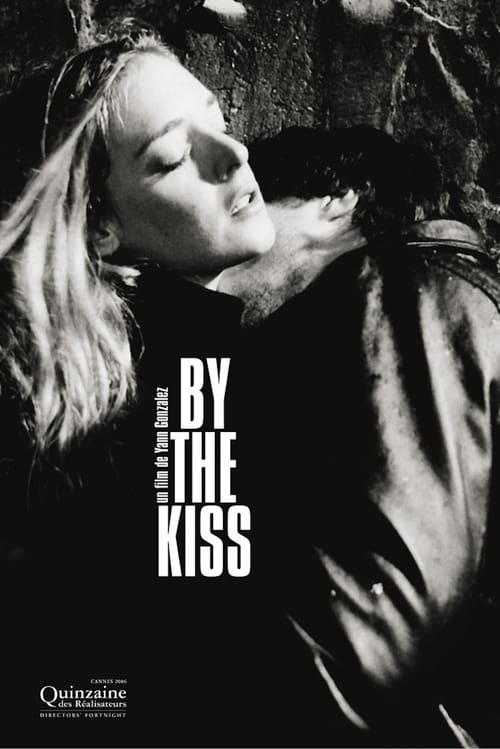
By the Kiss
2006
No user ratings available yet
Representation score: 5.4 out of 10
Representation Score
Good
2008
Director
Yann Gonzalez
Runtime
43 minutes
Average Rating
No ratings yetNew Showbiz Analysis
Yann Gonzalez uses a surrealist framework to explore grief and the reclamation of desire. By blurring the lines between the living and the dead, the film disrupts linear mourning processes in favor of subjective, spectral truths. The work centers non-normative emotional landscapes and challenges institutional expectations of how one should process loss. It focuses on intense, visceral human experiences rather than traditional social hierarchies. However, the lack of clarity regarding racial and ethnic representation limits a complete diversity profile. The film's impact relies heavily on its psychological and sensory themes rather than broad demographic breadth.
Category Breakdown
The film explores non-traditional intimacy and pleasure that go beyond biological boundaries. This approach to connection suggests a departure from mourning structures that assume everyone is straight or cisgender.
Kate serves as a central figure, actively engaging in a rebellion against emotional numbness. She challenges the passive grieving widow cliché through her pursuit of sensory reclamation.
There is insufficient information regarding the racial composition of the cast to provide a definitive assessment.
The narrative challenges traditional Western funerary rites by focusing on a connection with the deceased. It prioritizes individual sensory liberation over social or religious norms regarding death.
The protagonist's profound sensory and emotional disconnection may be seen as a depiction of psychological or neurodivergent-coded stasis. This internal state is explored with significant depth.
Present on Screen
Limited or Absent
Official Synopsis
Kate screams, burns, kisses furiously. But the times are tepid, the music "cold," and Kate can no longer come. Until Julien, who died ten years ago, gives her pleasure again.
2006
1967

2007

2018

2017

2015

2008

2006
No reviews yet. Be the first to share your thoughts on this movie!
Use the rating form above to leave a star rating and optional review.