
Baby Sister
1983
No user ratings available yet
Representation score: 2.5 out of 10
Representation Score
Minimal
1989
NRDirector
Michael Tuchner
Runtime
93 minutes
Average Rating
No ratings yetNew Showbiz Analysis
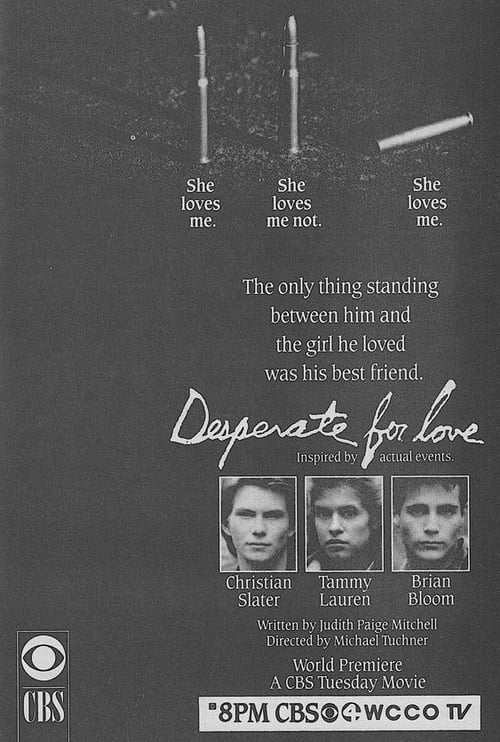
Desperate for Love is a conventional late-20th-century television drama that prioritizes established romantic clichés over complex social narratives. The narrative centers on a teenage love triangle, focusing on heartbreak and betrayal without delving into broader social structures. The film does not feature diverse racial backgrounds, disability representation, or LGBTQ+ identities. Instead, it adheres to the standard domestic drama frameworks of its era. Ultimately, the work functions as a traditional character study of interpersonal volatility rather than a vehicle for systemic critique or social deconstruction.
Category Breakdown
The film focuses on a conventional romantic triangle involving a boy, a girl, and a male friend. It does not include any non-assuming gender matches what was assigned at birth identities or narratives that challenge the assumption that everyone is straight.
The female lead takes a significant role in the story by seeking a new partner, but the plot relies on traditional emotional archetypes. The story does not challenge gender hierarchies or provide complex portrayals of masculinity.
The narrative focus is solely on the interpersonal dynamics of the central trio. There is no information available about the racial or ethnic makeup of the cast.
The drama operates within a typical late-80s moral framework. It does not critique Western institutions, capitalism, or organized religion.
The documentation does not mention any characters with physical, neurodivergent, or mental health disabilities.
Present on Screen
Limited or Absent
Official Synopsis
The story of murder among a trio of teenagers after a boy breaks up with a girl and she runs into the arms of his vulnerable best friend.
1983

1984

1978

1987
1993
1986
1986

2003
No reviews yet. Be the first to share your thoughts on this movie!
Use the rating form above to leave a star rating and optional review.