
The One
2011
No user ratings available yet
Representation score: 4.0 out of 10
Representation Score
Fair
2011
Director
Job Gosschalk
Runtime
96 minutes
Average Rating
No ratings yetNew Showbiz Analysis
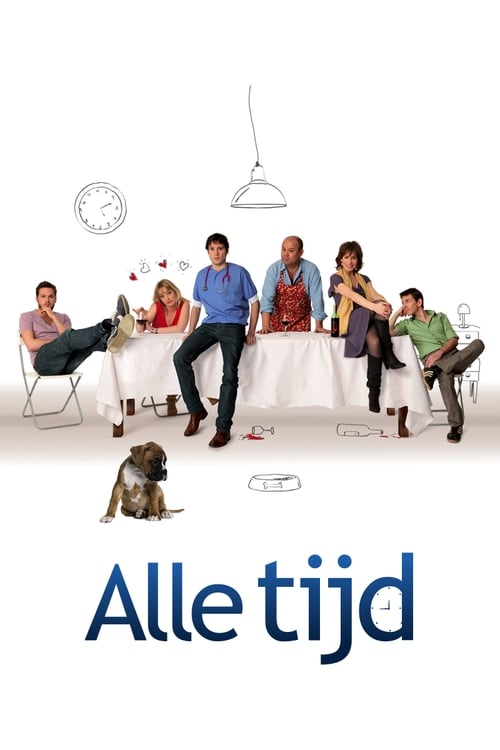
All the Time in the World is a character-driven dramedy that centers on the protagonist's journey. By making queer identity a core narrative driver, the film moves beyond including someone from a minority group without giving them real depth. However, the film's scope remains narrow, lacking significant racial and ethnic diversity. Additionally, while female independence is a key theme, the emotional weight of the film is primarily focused on male protagonists. Ultimately, the film succeeds as an intimate study of individual ability to act, trading traditional moral frameworks for a more subjective exploration of fate and personal identity.
Category Breakdown
The film focuses on Arthur, a closeted man, whose relationship with the protagonist drives the main character's personal growth. This relationship is central to the story rather than a minor subplot.
The story explores the evolving relationship between siblings as Molly becomes more independent. While the narrative emphasizes male emotional development, it challenges traditional family roles.
The production seems to depict a localized, homogeneous community. There is no indication of significant racial or ethnic diversity within the primary narrative.
The film examines the breakdown of traditional institutions and the dissolution of conventional family structures. It prioritizes individual emotional truth over maintaining traditional household norms.
There is no evidence of characters with visible or invisible disabilities playing a central role in the narrative.
Present on Screen
Limited or Absent
Official Synopsis
When Molly, the 21 year-old sister of Maarten, departs the family home, she leaves her older brother with empty nest syndrome. But it also opens up new opportunities for him, such as the possibility to explore his love for Arthur, a closet gay. Molly and Maarten wrestle with their personal relationships and also their relationship with one another, but fate nevertheless seems determined to strike them both down.
2011
2010

2017

2016
2008

2000

2012

2011
No reviews yet. Be the first to share your thoughts on this movie!
Use the rating form above to leave a star rating and optional review.