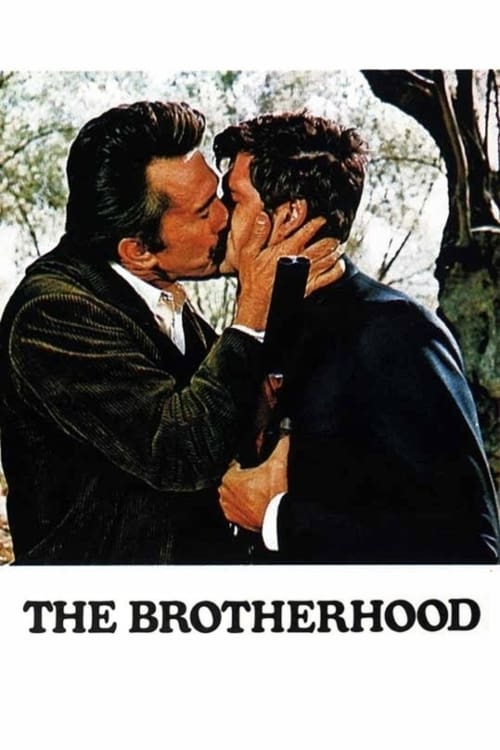
The Brotherhood
1968
No user ratings available yet
Representation score: 2.9 out of 10

Representation Score
Fair
1974
Director
Pasquale Squitieri
Runtime
130 minutes
Average Rating
No ratings yetNew Showbiz Analysis
Blood Brothers is a gritty, traditional crime drama that emphasizes fatalism over demographic diversity. It serves as a study of systemic corruption and the tension between individual morality and social hierarchies. The film shines in its cultural nuance, deconstructing the 'hero' archetype through a lens of moral relativism. It portrays crime as a complex response to environmental pressures rather than a simple binary of good versus evil. However, the work lacks modern identity-based representation. It remains anchored in the patriarchal and straight-centered conventions typical of its era and genre.
Category Breakdown
The film follows a traditional structure that assumes everyone is straight and cisgender. It focuses on hyper-masculine characters and criminal brotherhoods, without including any queer narratives or diverse gender identities.
This is a heavily male-focused drama. Female characters are sidelined or confined to domestic roles, reinforcing the patriarchal structures of the underworld setting.
The casting reflects the historical demographics of 19th-century Naples. While ethnically uniform, the film offers a specific localized cultural perspective of the region.
The narrative provides a sophisticated critique of social institutions. It examines how family and law function as oppressive forces within a complex socioeconomic environment.
There is no focus on neurodivergence or physical disabilities. character's ability to drive the story is defined by socioeconomic status and criminal involvement rather than disability-related themes.
Present on Screen
Limited or Absent
Official Synopsis
In Naples at the end of the 19th century, Nicola Bellizzi dreams of becoming a lawyer. However, when he seeks the reason that people are reluctant to help him in his goals, he discovers that some of his blood relations are high-ranking members of the Mafia. He tries to break away from his family obligations, but falls into a life of crime and violence.
1968

1972

1986

2005
1970

2010

1972

1932
No reviews yet. Be the first to share your thoughts on this movie!
Use the rating form above to leave a star rating and optional review.