
Super Volcano
2022
No user ratings available yet
Representation score: 1.3 out of 10

Representation Score
Fair
1982
PGDirector
Ernest Pintoff
Runtime
92 minutes
Average Rating
No ratings yetNew Showbiz Analysis
St. Helens is a disaster-driven telefilm that prioritizes the tension of environmental catastrophe over social commentary. The narrative follows the chronological progression of the 1980 eruption, focusing on situational urgency and survival. Because it was produced in the early 1980s, it adheres to the traditional dramatic structures of its time, relying on conventional archetypes rather than stories that reflect multiple aspects of identity. Ultimately, the film serves as a historical reconstruction of a natural event, prioritizing environmental realism over disrupting social hierarchies or integrating diverse identities.
Category Breakdown
The film centers on survival during a natural disaster, with no depiction of non-straight identities or critiques of the assumption that everyone is straight.
Gender roles likely follow traditional 1980s hierarchies, with no indication of challenging gender norms or depicting masculinity in a non-traditional way.
The cast likely mirrors the demographics typical of the Pacific Northwest in 1980, with no diverse ensemble driving the plot.
The story functions as a historical reconstruction of a geological event, lacking themes that challenge Western institutions or promote secularism.
There is no evidence that individuals with disabilities are given significant roles or that neurodivergent or physical disabilities are intentionally represented.
Present on Screen
Limited or Absent
Official Synopsis
Centers on the events leading up to the cataclysmic 1980 eruption of Mount St. Helens in Washington, with the story beginning on the day volcanic activity started on March 20, 1980, and ending on the day of the eruption, May 18, 1980.
2022

2022

2006
1997
2004

1997
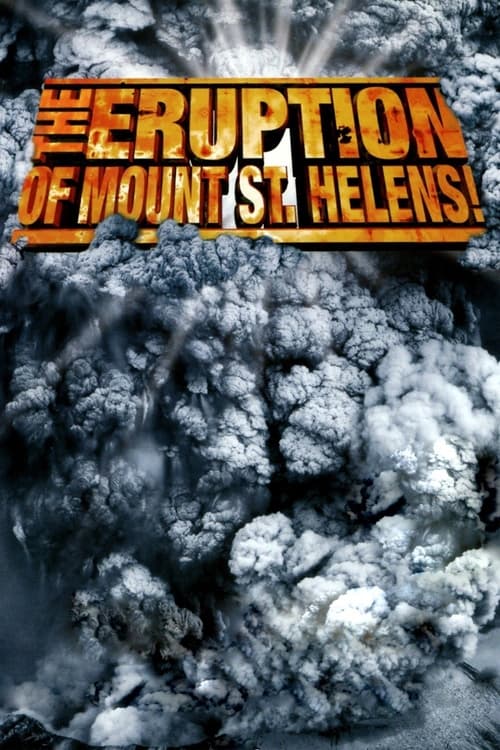
1980
2002
No reviews yet. Be the first to share your thoughts on this movie!
Use the rating form above to leave a star rating and optional review.