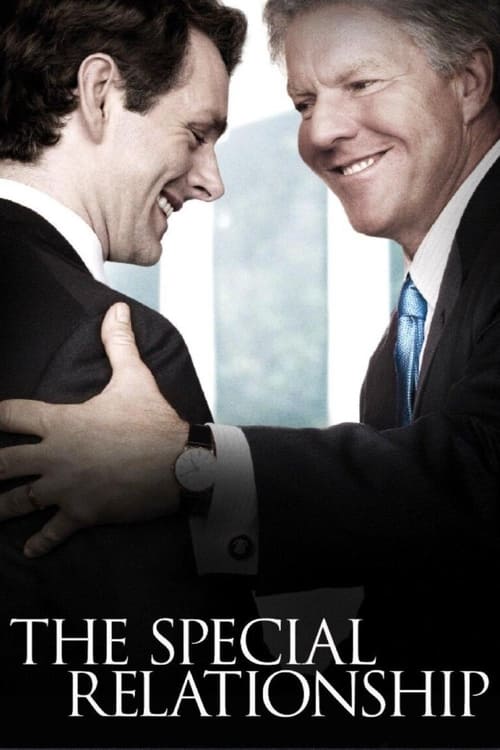
The Special Relationship
2010
No user ratings available yet
Representation score: 0.4 out of 10
Representation Score
Fair
2003
Director
Stephen Frears
Runtime
90 minutes
Average Rating
No ratings yetNew Showbiz Analysis
The film serves as a character study of institutional power and political pragmatism. It prioritizes the exploration of traditional hierarchies and the ethical complexities of leadership within established Western structures. While the production offers a nuanced look at the shifting tides of political influence, it operates within existing social frameworks. The narrative architecture reinforces conventional expectations regarding identity and representation. Ultimately, the film functions as a portrait of a specific era of British politics, focusing on the interpersonal dynamics of men navigating high-stakes decision-making.
Category Breakdown
The film focuses almost exclusively on the professional and political interactions between male figures. It lacks significant LGBTQ+ characters or narratives that challenge the assumption that everyone is straight or cisgender.
The narrative is heavily centered on male-dominated political spheres and the pursuit of institutional power. Women exist within the landscape but are largely relegated to the periphery.
The setting reflects a historically white-dominated political environment in the United Kingdom. The story does not actively seek to disrupt the Anglo-centric nature of the British establishment.
The film explores the moral relativism and ethical compromises inherent in political power. It focuses on the internal shifts of established Western political entities and individual ambition.
There is no evidence of characters with visible or invisible disabilities driving the narrative. Disability is not utilized as a central thematic element or tool for development.
Present on Screen
Limited or Absent
Official Synopsis
It is approaching an election in the UK when the leader of the Labour party, John Smith, suffers another in a line of heart attacks and dies. With the leadership campaign about to start the clear choice appears to be Gordon Brown, a stanch Scotsman. However Tony Blair is also beginning to appear more likely as he will appeal to Southern voters who would be turned off by Brown. Blair rings Brown to arrange a meeting to discuss which will go for the job. The film flashbacks to the start of their relationship, sharing an office in Westminster on their first seats.
2010
2005
2015

1989
2006
1998
2010
2013
No reviews yet. Be the first to share your thoughts on this movie!
Use the rating form above to leave a star rating and optional review.