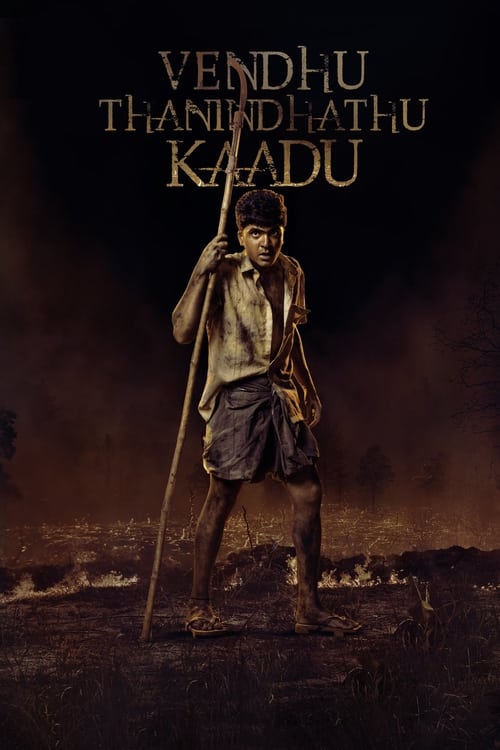
Vendhu Thanindhathu Kaadu
2022
No user ratings available yet
Representation score: 4.9 out of 10

Representation Score
Fair
2014
Director
Venu
Runtime
115 minutes
Average Rating
No ratings yetNew Showbiz Analysis
Munnariyippu is a psychological drama that prioritizes intellectual disruption over broad demographic representation. It excels in deconstructing traditional morality and the concept of objective truth, offering a sophisticated narrative that challenges standard expectations of justice. However, the film lacks significant representation across most identity categories. It remains a localized, homogeneous story that centers on a masculine-driven conflict, offering little space for queer identities or diverse ethnic backgrounds. Ultimately, the film’s strength lies in its postmodern approach to ethics rather than its inclusivity. It is a character study of perception that stays within a traditional social and gendered hierarchy.
Category Breakdown
The film does not include any LGBTQ+ characters or non-cisgender identities. The story focuses on the psychological interactions between male figures and a female journalist.
Anjali, the journalist, has a significant role in driving the story and avoids being portrayed in a submissive light. However, the main intellectual conflicts are centered around a masculine framework.
The cast is culturally uniform, reflecting the local setting of Kerala. It emphasizes regional authenticity over a blend of diverse ethnicities found in more globally oriented films.
The film explores moral relativism and the subjectivity of truth. It challenges systemic authority by presenting truth as a fluid, constructed concept rather than an absolute.
There are no characters with visible or invisible disabilities playing central roles. The psychological focus is on cognitive perception and deception.
Present on Screen
Limited or Absent
Official Synopsis
Raghavan, a simple and lonely man, comes out of jail. His life changes after he meets Anjali, a journalist who wants to prove herself professionally.
2022
2013

2019

2017
2012
2010
2015

2022
No reviews yet. Be the first to share your thoughts on this movie!
Use the rating form above to leave a star rating and optional review.