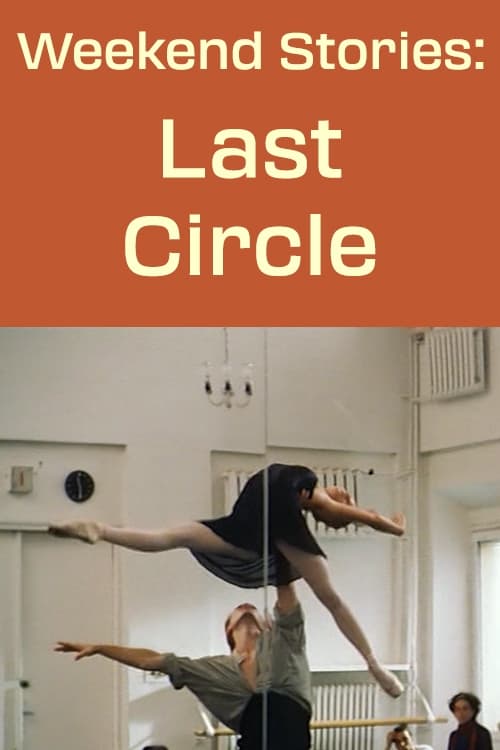
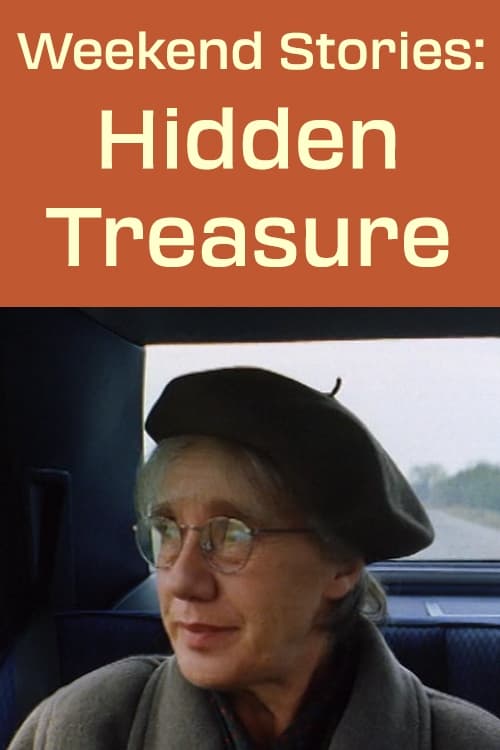
Weekend Stories: The Last Circle
1998
No user ratings available yet
Representation score: 4.2 out of 10
Representation Score
Excellent
2001
Director
Krzysztof Zanussi
Runtime
54 minutes
Average Rating
No ratings yetNew Showbiz Analysis
The film functions as a meditation on class transition and the erosion of traditional social hierarchies. By focusing on the displacement of the aristocracy, it deconstructs historical privilege and examines the systemic shifts that render former elite status obsolete. While the film excels at centering female subjectivity and critiquing class structures, it remains limited in its LGBTQ+ and racial breadth. The focus is deeply rooted in a specific European historical context, which informs its cultural depth but limits broader demographic representation. Ultimately, the work provides a meaningful exploration of memory and the fragility of inherited status through the lens of an aging protagonist.
Category Breakdown
The film maintains a neutral stance regarding non-straight identities. While communal living settings often allow for nuanced intimacy, there is no explicit evidence of specific LGBTQ+ romantic pairings.
An older woman named Rose serves as the central figure of the story. This positioning challenges stereotypes that sideline aging women, instead highlighting her personal history and active role.
The narrative features a Polish protagonist in a Parisian setting, introducing transnational identity. However, the cast appears predominantly white, reflecting the specific historical context of the Polish aristocracy.
The film critiques the stability of class hierarchies by depicting an aristocratic home transformed into an impoverished elderly residence. It offers a complex view of historical legacy and social decay.
The setting of an elderly home inherently engages with themes of aging and physical vulnerability. The narrative explores the lived experiences of those navigating dependency and physical decline.
Present on Screen
Limited or Absent
Official Synopsis
Rose, an older woman living in Paris was born in Poland as a daughter of an aristocratic family. Her family house is now an impoverished home for the elderly.
1998

1989
1996

1989
2002
1986
1974
2008
No reviews yet. Be the first to share your thoughts on this movie!
Use the rating form above to leave a star rating and optional review.