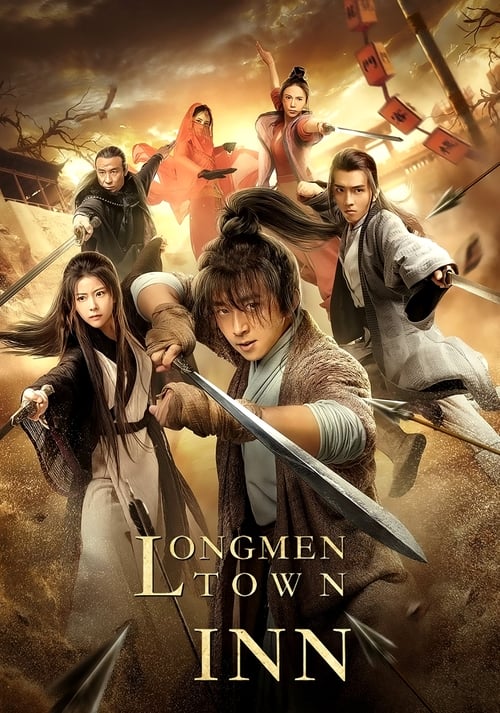
Longmen Town Inn
2021
No user ratings available yet
Representation score: 2.8 out of 10

Representation Score
Good
2025
Director
Li Bingyuan
Runtime
90 minutes
Average Rating
No ratings yetNew Showbiz Analysis
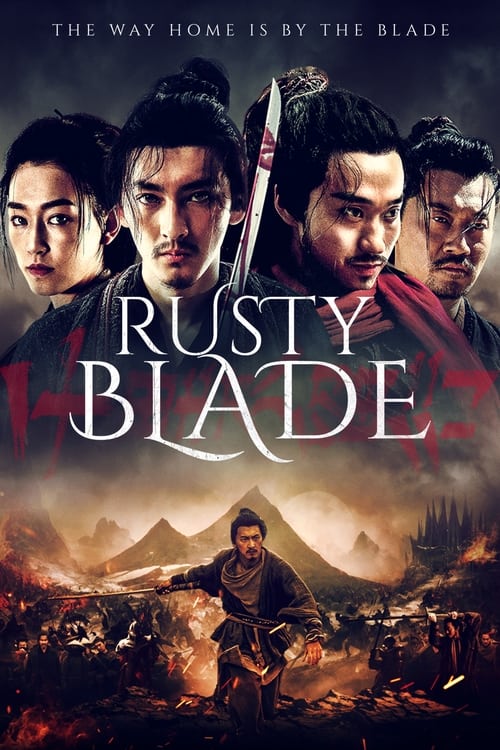
Drunken Blade presents a traditional martial arts narrative set in a Ming Dynasty desert town. The story follows Han Yueren as he returns to repay a kindness, confronting local bandits and corrupt officials. The female tavern owner serves as a capable leader, managing the town and engaging directly with the conflict. Yet the plot remains anchored in the male protagonist’s actions and martial prowess. The narrative effectively critiques institutional failure by showing officials colluding with bandits to oppress locals. This systemic corruption acts as the primary antagonist, threatening the community’s survival. While the casting authentically reflects the historical and cultural context, the representation remains narrow. There is no depiction of LGBTQ+ individuals or people with disabilities. The film balances traditional values with a clear message about the dangers of institutional neglect.
Category Breakdown
The story lacks same-sex romance or openly LGBTQ+ characters. It focuses on martial arts conflicts and heterosexual dynamics between the protagonist and the tavern owner.
The female tavern owner acts as a capable leader, managing the town and confronting bandits. However, the central plot is driven by male swordsmen, keeping her role secondary to the male protagonist.
The cast is entirely East Asian, reflecting the film’s historical Ming Dynasty setting. Characters like Han Yueren and the tavern owner hold significant narrative power within their specific cultural contexts.
The film critiques corrupt officialdom, showing bandits and government officials colluding to exploit villagers. Traditional values like repaying kindness drive the hero, while systemic corruption threatens the community’s survival.
No characters with physical or mental disabilities are identified in the synopsis or dialogue. The story centers on martial prowess and survival in a desert town, with no focus on disability as a lived condition.
Present on Screen
Limited or Absent
Official Synopsis
HAN YUEREN, known as DRUNKEN BLADE in Jianghu, traveled to a desolate desert town to repay the kindness of a meal back then. At the time, the town was being ravaged by swords bandits. The killing intent of Lady Boss also emerges.
2021
1967

2024
1995
2025

2020

1970
2022
No reviews yet. Be the first to share your thoughts on this movie!
Use the rating form above to leave a star rating and optional review.