Perfect Mismatch
2009
No user ratings available yet
Representation score: 3.9 out of 10
Representation Score
Limited
2019
Director
Geethika Sudip, Sudip Joshy
Runtime
150 minutes
Average Rating
No ratings yetNew Showbiz Analysis
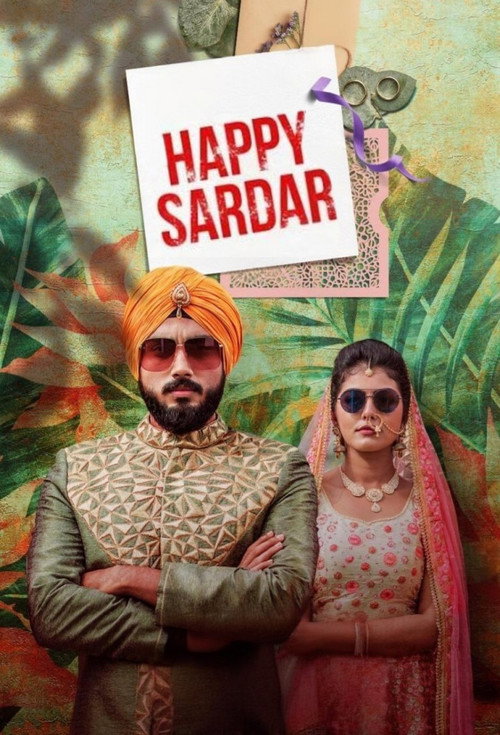
Happy Sardar functions as a traditional romantic comedy that uses regional and religious differences as a primary engine for interpersonal conflict. The film brings together Punjabi and Malayali cultures, creating a narrative that is not monolithically Indian. However, the film stays within conventional social structures, relying on the friction between established religious and cultural expectations to drive the comedy and romance.
Category Breakdown
The film focuses on a heterosexual romance and does not include narratives involving LGBTQ+ identities or non-assuming gender matches what was assigned at birth characters.
The story centers on a timid male protagonist whose actions are driven by reactions to emotional changes. The female lead actively drives the plot, but the gender dynamics remain traditional.
The narrative explores the intersection of Punjabi and Malayali identities, highlighting the distinct ethnic backgrounds and preventing a monolithic cultural depiction.
Conflict arises from negotiating Punjabi wedding traditions and Christian customs. The story operates within established communal norms without challenging religious institutions.
There are no visible or invisible disabilities mentioned in the character descriptions or plot summary.
Present on Screen
Limited or Absent
Official Synopsis
Happy, a timid Sardar living in Patiala, finds his life turned upside down when he falls in love with Mary, a Malayali Knanaya Christian girl. His folks want a Punjabi wedding and Mary's father is adamant about having a Christian wedding.
2009
2014
2020
2011
2012
2023

2018
2017
No reviews yet. Be the first to share your thoughts on this movie!
Use the rating form above to leave a star rating and optional review.