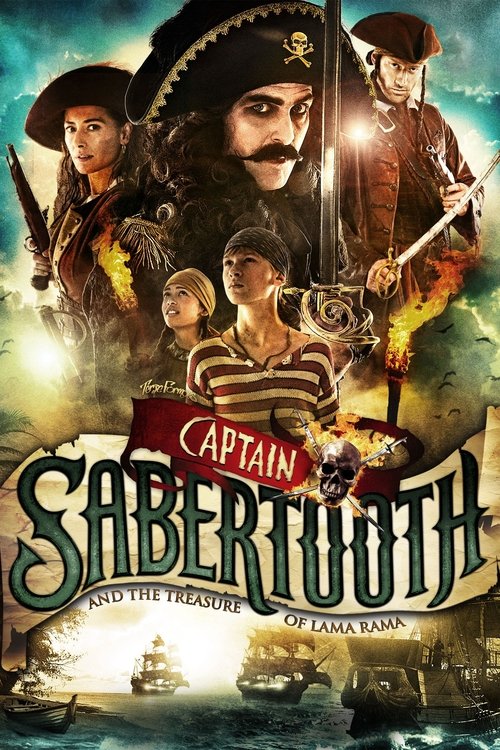
Captain Sabertooth and the Treasure of Lama Rama
2014
No user ratings available yet
Representation score: 3.9 out of 10
Representation Score
Limited
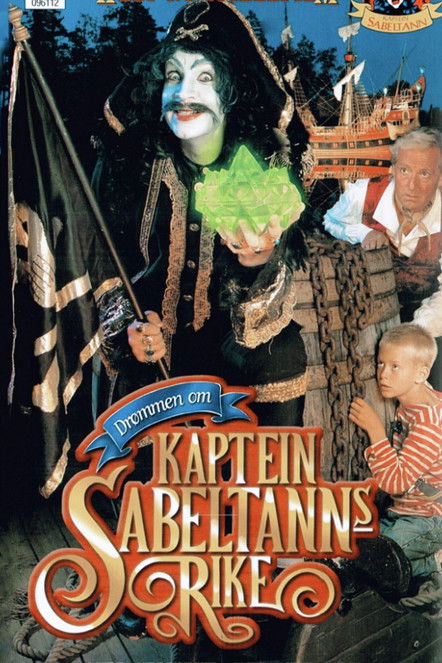
1996
Director
Jan-Robert Jore
Runtime
67 minutes
Average Rating
No ratings yetNew Showbiz Analysis
The film operates as a traditional adventure that prioritizes established genre clichés over social subversion. It relies on a conventional narrative structure that upholds mid-90s family media standards. While the production serves as a regional classic, it lacks complexity in representing diverse identities. The character dynamics and themes remain rooted in a homogeneous, male-centric framework that avoids challenging historical social hierarchies.
Category Breakdown
The story follows a traditional hero's journey centered on a male protagonist and a legendary captain. There is no depiction of non-straight identities or same-sex romantic relationships.
The story uses a male-focused adventure framework centered around the 'King of the Sea.' While Sunniva offers a female presence, the film adheres to typical genre conventions.
The production reflects the demographic norms of its Norwegian setting. The cast appears homogeneous, with no indication of multicultural casting.
Themes focus on individual aspiration and traditional moral structures. The film emphasizes classic storytelling without critiquing Western institutions or organized religion.
The film does not provide specific evidence regarding the portrayal of physical or neurodivergent disabilities.
Present on Screen
Limited or Absent
Official Synopsis
A classic from 1998. With the "original cast", Terje Formoe as Captain Sabertooth, Janne Formoe as Sunniva and Morten Usterud as Pinky. Fredrik Hognerud Træland plays Joachim, the kid who doesn't give up on his dream of the one and only King of the Sea.
2014
1969
2003
1970
1988
2021
2020
1982
No reviews yet. Be the first to share your thoughts on this movie!
Use the rating form above to leave a star rating and optional review.