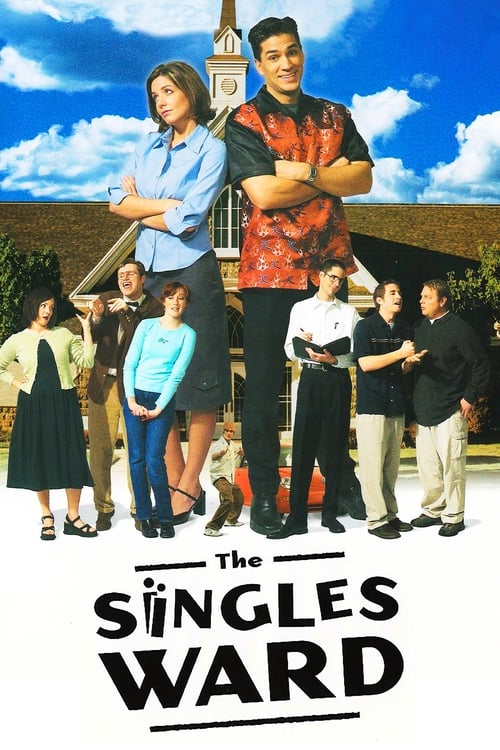
The Singles Ward
2002
No user ratings available yet
Representation score: 2.0 out of 10

Representation Score
Limited
2004
PGDirector
Scott S. Anderson
Runtime
112 minutes
Average Rating
No ratings yetNew Showbiz Analysis
The Best Two Years is a niche, character-driven comedy-drama that functions primarily as a study of a specific religious subculture. The narrative structure reinforces traditional social and religious hierarchies rather than challenging them. Representation is limited by a focus on Western, Anglo-centric demographics and a predominantly male cast. The interpersonal dynamics revolve around institutional advancement and conventional romantic structures within a religious framework. Ultimately, the film lacks complexity in representing multiple aspects of identity, prioritizing the preservation of institutional values and traditional social roles over progressive or diverse storytelling.
Category Breakdown
The film explores romantic disillusionment through Elder Rogers, who struggles after his girlfriend marries another man. However, the narrative lacks representation of non-binary or transgender identities and does not critique the assumption that everyone is straight or cisgender.
The story centers on a male-dominated cast of missionaries and their internal hierarchies. There is little evidence of women taking a leading role or challenging traditional gender roles.
Set in the Netherlands with American missionaries, the film focuses on a Western, Anglo-centric demographic. It lacks a diverse cast with significant racial complexity.
The plot is deeply embedded in LDS traditions and institutional hierarchies. It prioritizes religious morality and missionary duties over critiques of Western or religious structures.
There is no mention of characters navigating physical, neurodivergent, or mental health conditions. No disability-driven narratives are present in the text.
Present on Screen
Limited or Absent
Official Synopsis
Follows the lives of two pairs of American LDS missionaries serving in the Dutch city of Haarlem: Elder Johnson, the District Leader who oversees and reports their efforts; the vain and position-climbing Elder Van Pelt; the capable but disillusioned Elder Rogers; and the "greenie" (newcomer) Elder Calhoun, who arrives to Haarlem with limited language training and all the eagerness to serve and work.
2002

2004

1986
1979

2014
2000

2012

2001
No reviews yet. Be the first to share your thoughts on this movie!
Use the rating form above to leave a star rating and optional review.