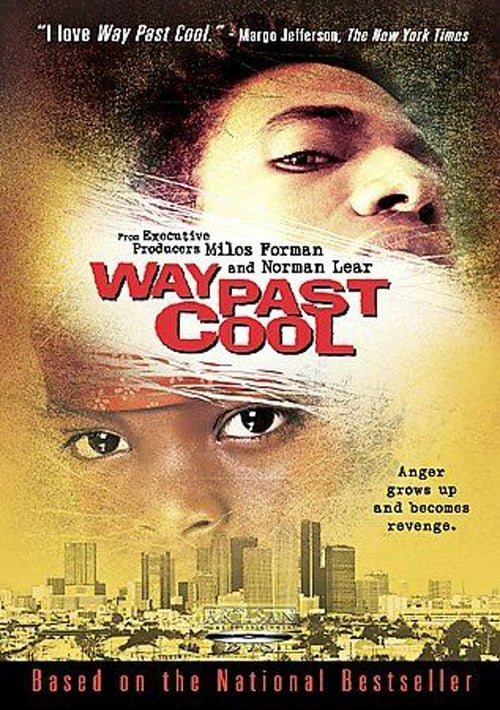
Way Past Cool
2003
No user ratings available yet
Representation score: 6.0 out of 10
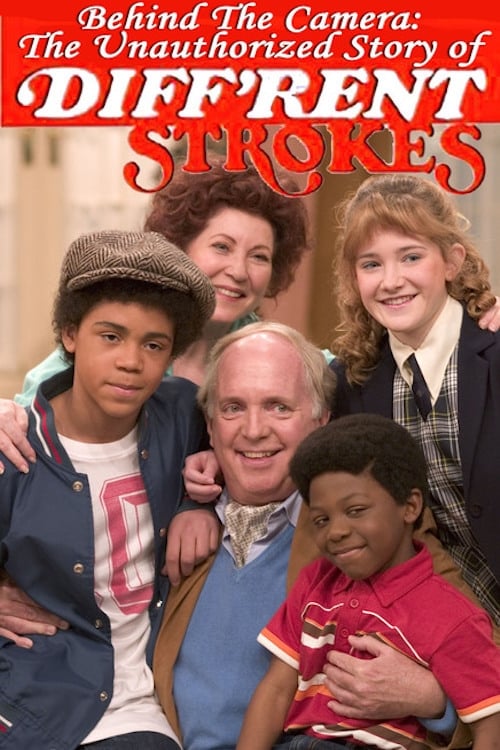
Representation Score
Fair
2000
Director
Ted Haimes
Runtime
60 minutes
Average Rating
No ratings yetNew Showbiz Analysis
This biographical drama shifts away from typical storytelling by focusing on the real-life experiences of minority performers. It moves past the artificial comedy of sitcoms to address deeper social issues and the complexities of racial ability to act in a predominantly white industry. While the film excels in its exploration of racial history and the breakdown of media clichés, it remains limited in other areas. Its focus on professional struggles leaves little room for explicit discussions of gender or sexual identity, making its scope more specialized rather than broad. Ultimately, the film serves as a critique of the superficiality of media institutions. It contrasts the idealized image of the original television set with the more difficult, systemic truths faced by its subjects.
Category Breakdown
The film doesn't include explicit stories about LGBTQ+ individuals or non-cisgender identities. Instead, it focuses on the professional and personal journeys of the main subjects.
The story looks at power dynamics in the entertainment industry. It may explore how female performers dealt with a male-dominated environment in the late 20th century.
The film centers on the legacy of Black actors in mainstream media. It delves into the themes of racial ability to act and the challenges faced by people of color.
The story breaks down the polished portrayal of success seen in sitcoms. It criticizes the superficiality of Western media by showing the contrast between laughter and harsh realities.
The film does not depict any characters with physical or neurodivergent disabilities.
Present on Screen
Limited or Absent
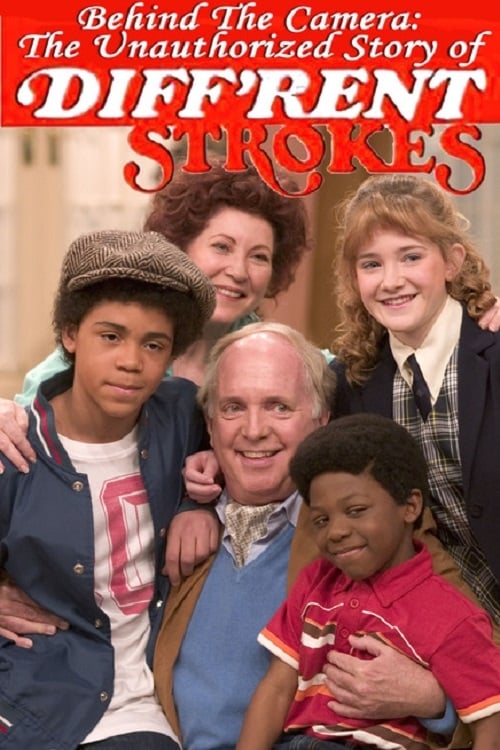
Official Synopsis
You've read the stories, you've seen the documentaries. Now see the movie that brings it all to life.
2003
2020
2000
2017
2000
2000
1997
2006
No reviews yet. Be the first to share your thoughts on this movie!
Use the rating form above to leave a star rating and optional review.