Find another title
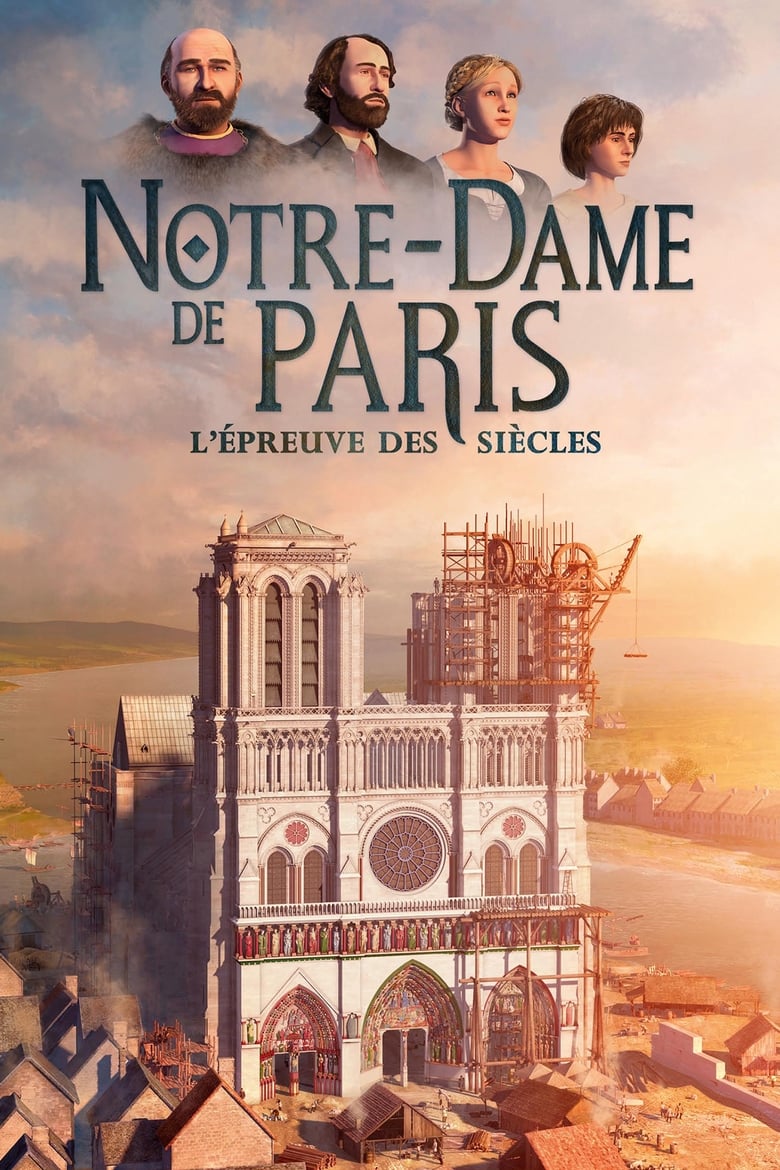
Notre Dame de Paris: The Ordeal of the Centuries
2019
Director
Emmanuel Blanchard
Average Rating
No ratings yetSynopsis
A fictional documentary on Notre Dame de Paris, produced in 2019.
Where to Watch
Diversity & Representation
Overall Score
Fair
Category Breakdown
LGBTQ+ Representation
The film offers no explicit LGBTQ+ character arcs or narratives. It maintains a neutral stance, focusing on architectural history rather than queer identity exploration.
Gender Representation
Representation follows traditional historical documentation patterns. The narrative lacks evidence of subverting gender hierarchies or challenging established masculine roles.
Racial & Ethnic Diversity
The study is inherently tied to Western European history. There is no indication of a non-white majority or efforts to challenge historical norms through race-bending.
Religious & Cultural Diversity
The work functions as a historical record of a Western religious pillar. It avoids explicit critiques of the Church or State, prioritizing historical fact.
Disability Representation
There is no evidence of characters or historical figures with disabilities being central to the narrative or used as plot devices.
Strengths
- Provides a focused historical and architectural examination of a significant cultural landmark.
- Maintains a neutral, documentary-style approach to historical preservation.
Areas for Improvement
- Lacks engagement with intersectional identities or diverse social perspectives.
- Does not challenge traditional historical hierarchies or provide representation for marginalized groups.
AI Analysis
This fictional documentary serves as a historical and architectural retrospective of the Notre Dame cathedral. Its primary objective is the preservation and examination of a specific cultural monument rather than the disruption of social hierarchies. The film adheres to conventional historical documentation, which limits its engagement with intersectional or progressive narrative subversion. Because the subject matter is centered on a specific Western institution, the scope remains narrow. Ultimately, the work prioritizes the structural and cultural legacy of the cathedral over identity politics or the exploration of diverse social perspectives.
Rate this Movie
Reviews
No reviews yet. Be the first to share your thoughts on this movie!
Use the rating form above to leave a star rating and optional review.